
December 11 of last year was an historical day for Rapa Nui, when the Chilean Museum of Natural History – MNHN returned three Ivi tupuna (bones and biological remains of ancestors) which traveled back to the Island under the vigilance of the Ma’u Henua Indigenous Community, the Commission for Development of Isla de Pascua (CODEIPA), the Municipality of Isla de Pascua and the Under-secretary for Heritage, Emilio De La Cerda.
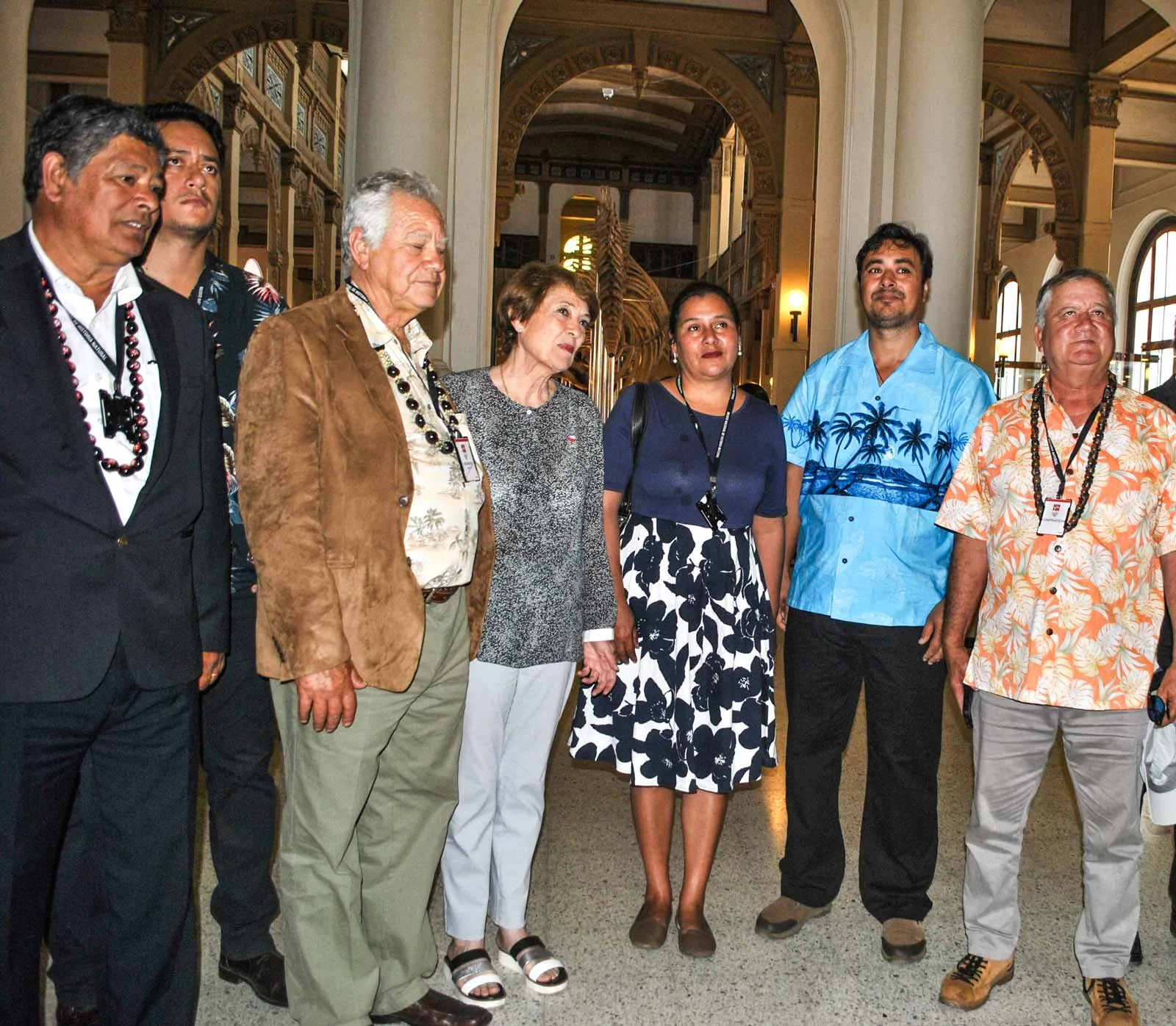
The Arrival: A Procession to the Sebastián Englert Museum
Upon their arrival, the ancestors were received with great emotion by the Rapanui community in a caravan that carried them from the airport at Mataveri to the Father Sebastian Englert Museum, where an umu (ceremonial feast) was held in their honor.
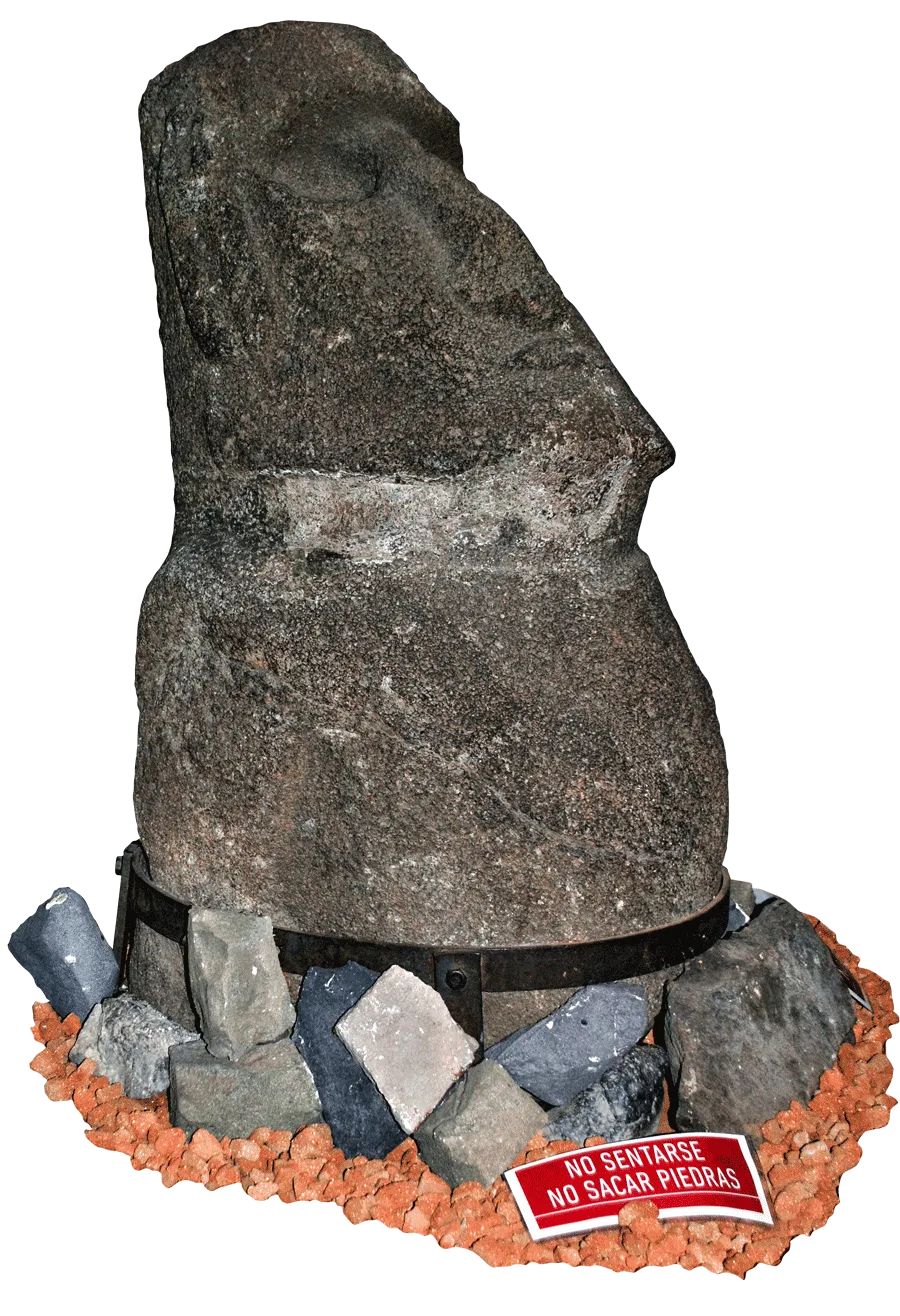
History of Chile is working on the digitalization of part of its collections to place them at the disposition of the community as 3D models of emblematic pieces. From the Rapa Nui collection, there are already nine pieces on-line, among which are some Moai Pa’apa’a, a Reimiro, a wooden snail and two Rongorongo
tablets. These can all be seen at:: https://sketchfab.com/MNHNcl/collections/rapa-nui
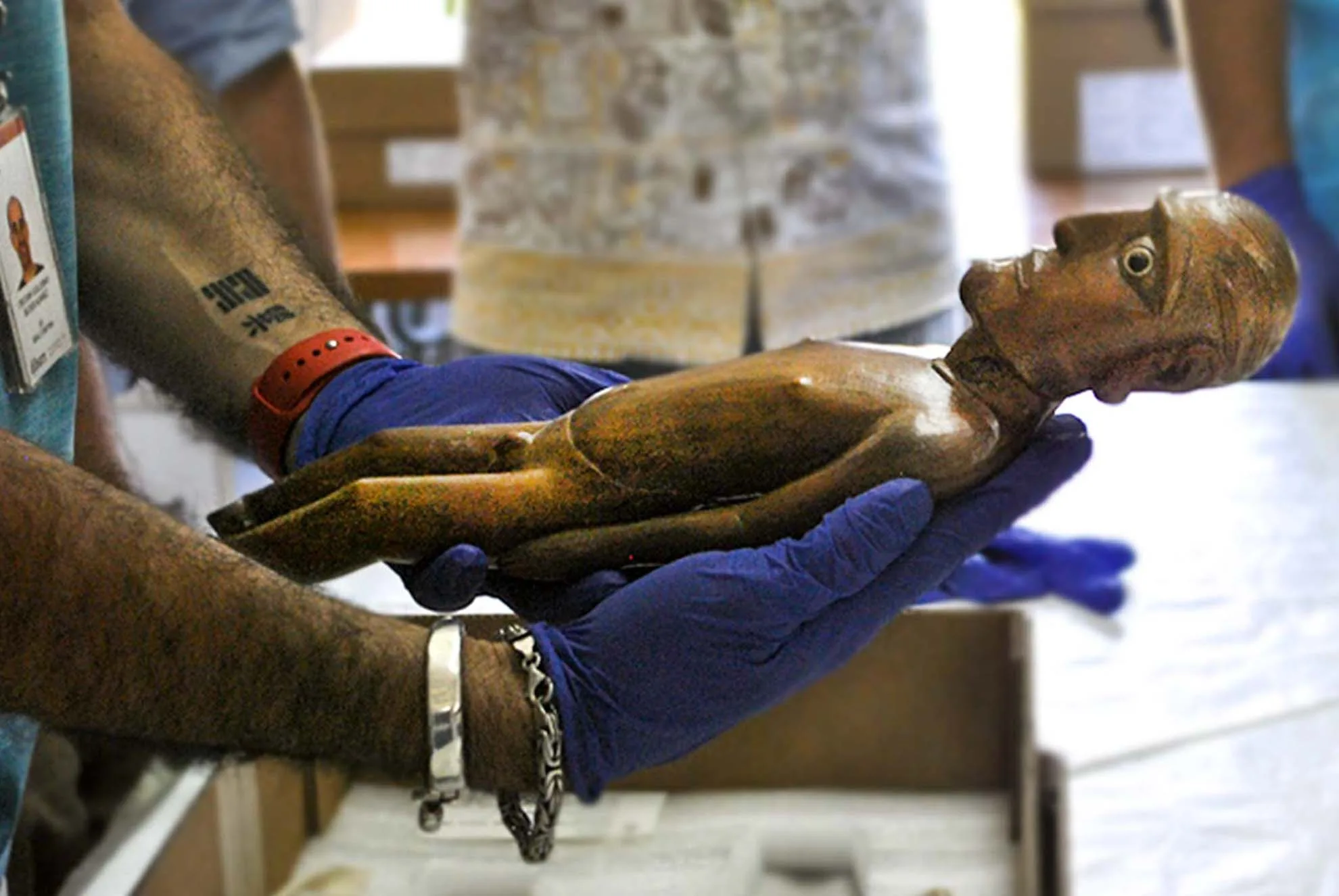
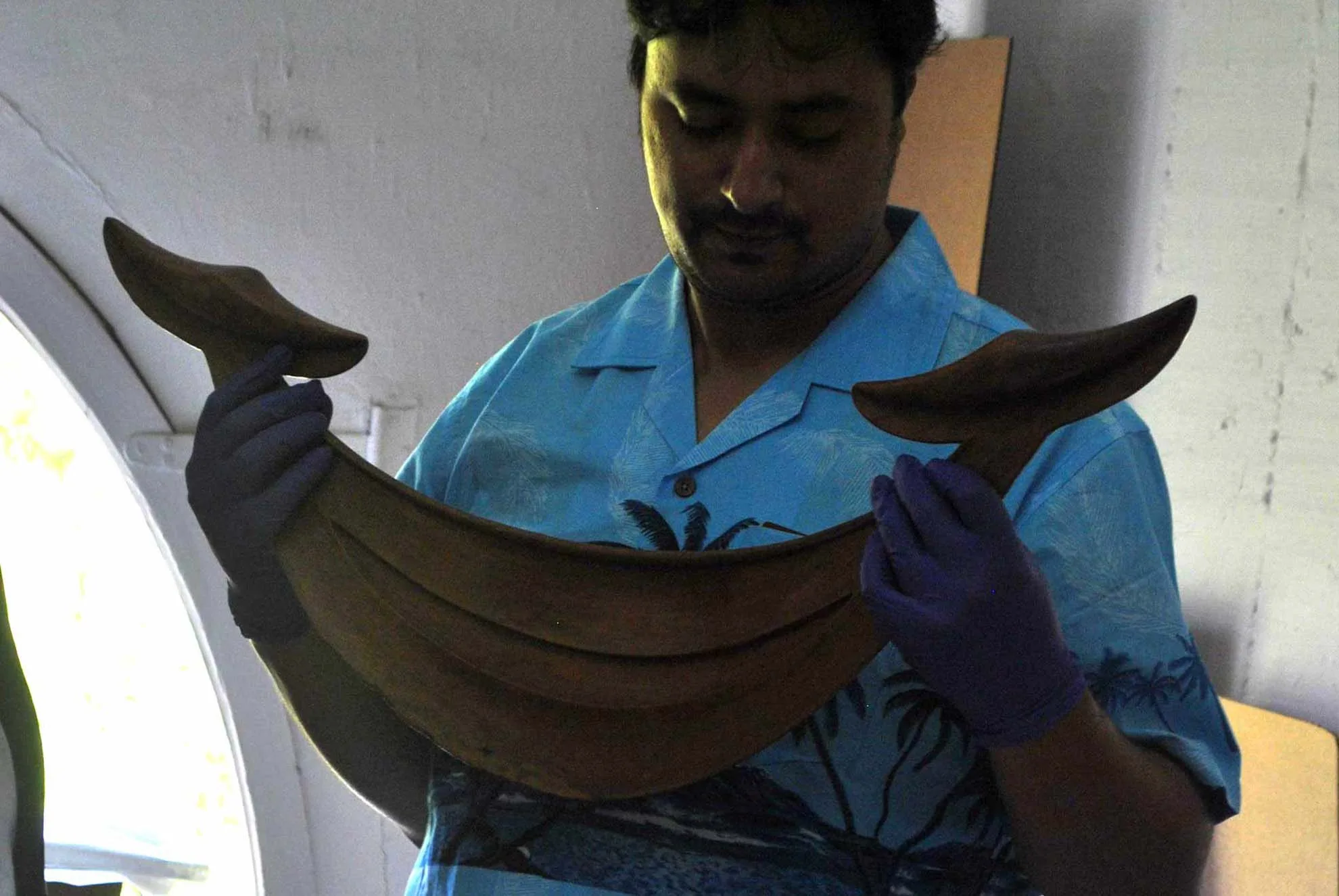
The Dialogue Process: The Rapanui Delegation at the MNHN
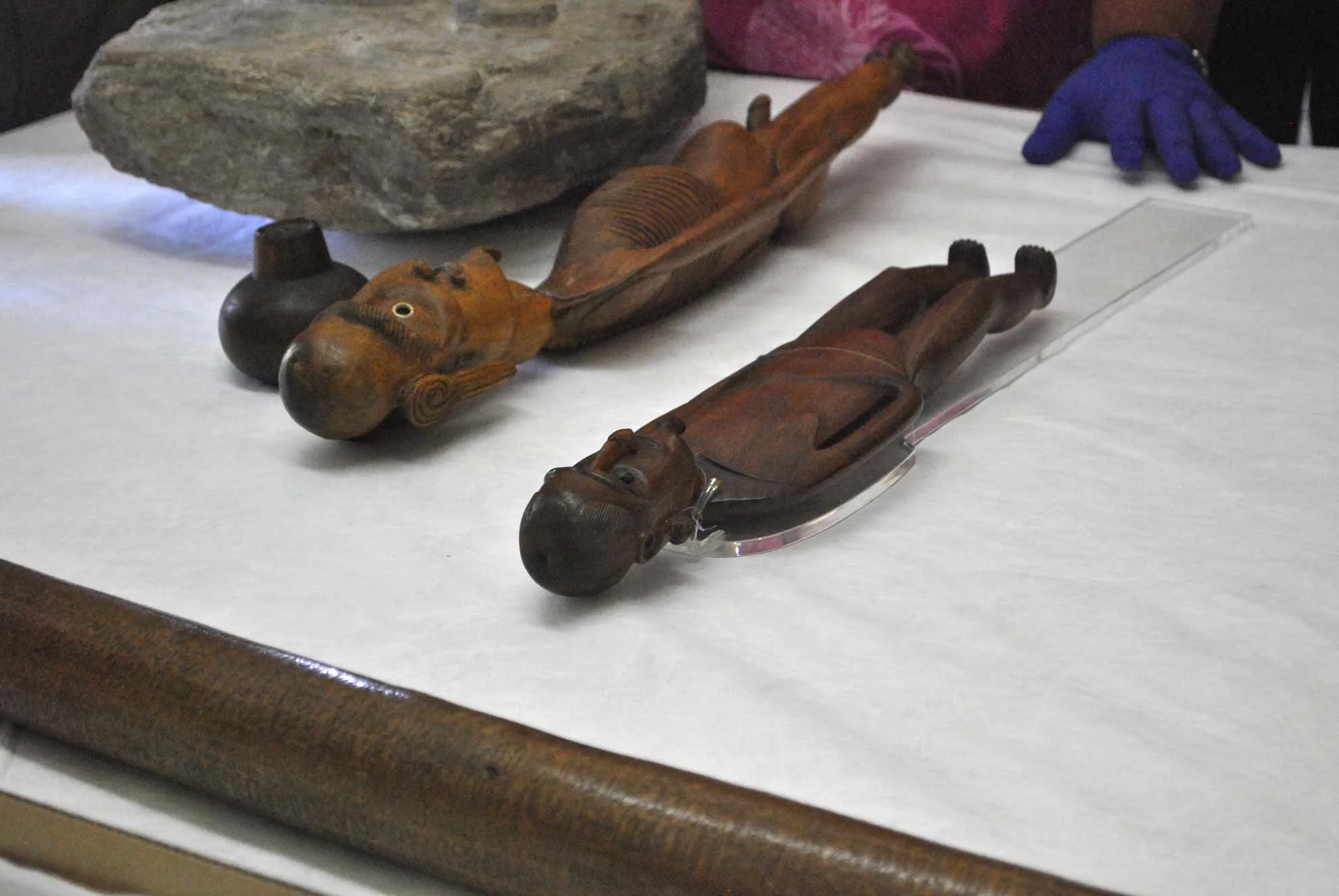
This restitution was the result of a process of dialogue and joint work between the Ministry of Cultures, Arts and Heritage and representatives of the local community. The process was made concrete following a visit by the Rapanui delegation to the National Museum of Natural History, where the group visited three moai that form part of the exhibition and had access to original pieces from the island, including a Reimiro, Moai kava kava and two Rongo-rongo tablets.
Regarding this visit and the subsequent agreement, Camilo Rapu, President of the Ma’u Henua Indigenous Community, commented: “In this museum there are over 300 archaeological relics from the island. On this occasion we visited the moai — two of them made of basalt, and one carved with trachyte, which is not in good condition. We are a living culture that still maintains our traditions, which is why it is important to repatriate our archaeological pieces. We thank the Museum for this gesture and hope that it will be an example for the rest of the museums in the country.”
The Minister of Culture’s Statement
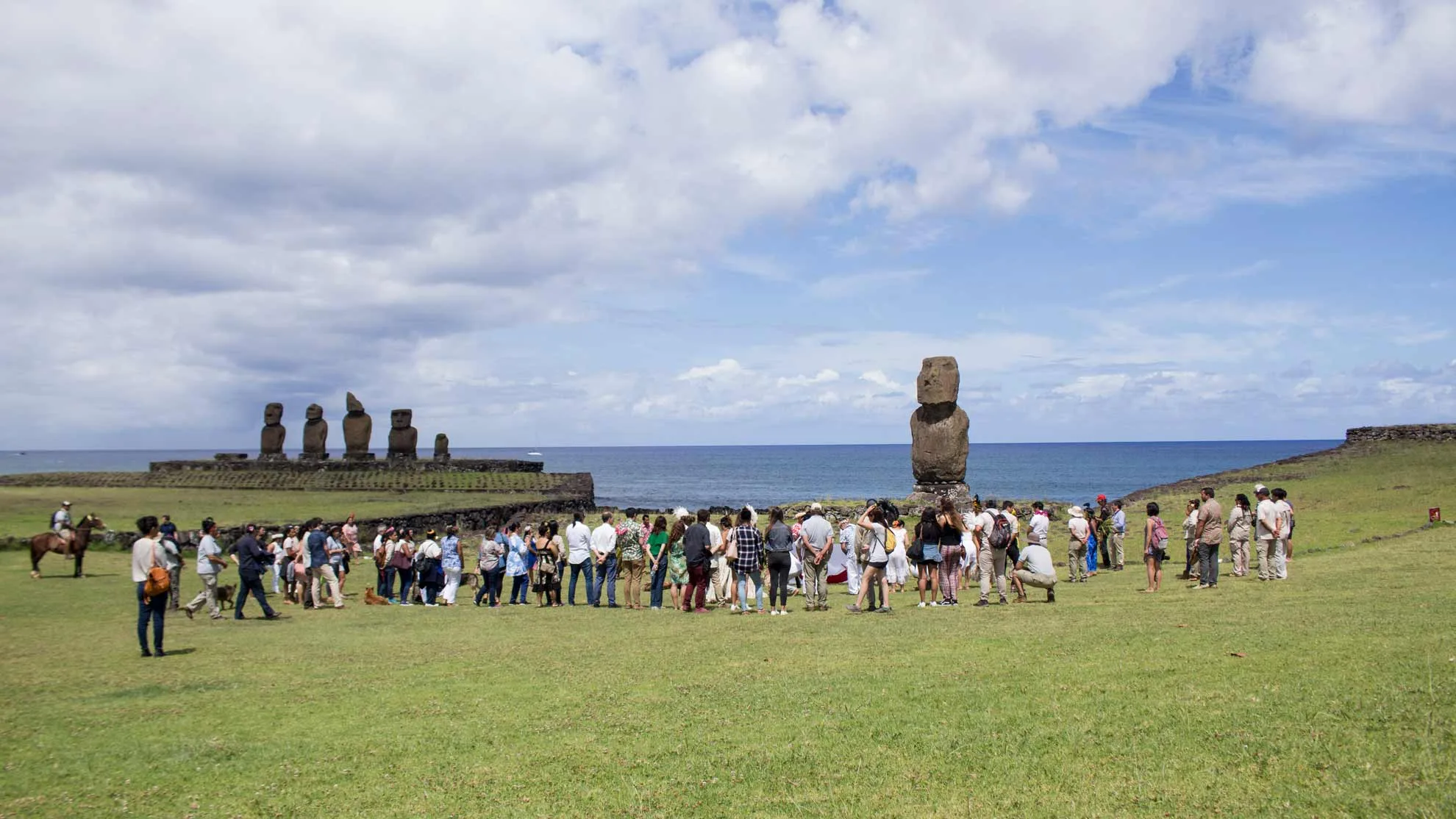
For the Minister of Cultures, Consuelo Valdés, this visit was a demonstration of the government’s will to support and facilitate the restitution of cultural and bio-anthropological goods to the ethnic descendants of the current Rapanui. “The restitution of the collection of human remains is a very profound gesture that has an intangible spiritual dimension, as it transcends infinitely the return of material goods”, said the Secretary of State.
What Remains at the MNHN: Rapanui Heritage Still to Return
The Rapanui collection at the MNHN includes, in addition to the three Ivi Tupuna returned, archaeological and ethnographic collections and a bio-anthropological collection of 109 skulls and a minimum number of individuals. The three moai kept in the institution are the only ones that have been kept indoors since the 19th century, which has protected them from erosion. Two were transported by the Corvette O’Higgins in 1870 and donated that same year to the Museum. The third was brought by the Training Ship General Baquedano in 1921, donated to the National Historical Museum and subsequently transferred to the MNHN.
This restitution is part of a broader effort by the Rapanui community to recover their heritage. The most important pending objective remains the repatriation of the Hoa Hakananai’a moai from the British Museum in London, for which the Ma’u Henua delegation travelled to London in 2019 in a historic milestone.
In 2025, another milestone was reached: more than 600 ancestral treasures returned to Rapa Nui after 70 years at the Kon-Tiki Museum in Norway.
Frequently Asked Questions about the Ivi Tupuna Restitution
What did the Chilean Natural History Museum return to Rapa Nui?
The Chilean National Museum of Natural History (MNHN) in Santiago returned three Ivi Tupuna — skeletal remains of Rapanui ancestors — to the Ma’u Henua Indigenous Community. They were received with a caravan from the airport to the Sebastián Englert Museum and an umu ceremony in their honour.
How many Rapanui objects remain at the MNHN?
The MNHN’s Rapanui collection includes archaeological and ethnographic collections, 109 skulls and three moai that have been kept indoors since the 19th century — transported by the Chilean Navy in 1870 and 1921.
How was the restitution of the Ivi Tupuna achieved?
Through a dialogue process between the Ministry of Cultures, Arts and Heritage and Rapanui community representatives. The delegation visited the MNHN, accessed the Ivi Tupuna and original island pieces, and the agreement was part of the government’s policy of restituting cultural goods to their ethnic descendants.
What other Rapanui heritage has been repatriated?
In 2025, more than 600 archaeological objects and skeletal remains returned from the Kon-Tiki Museum in Norway — taken by Thor Heyerdahl during his 1955-56 expedition. The most important pending objective remains the repatriation of the Hoa Hakananai’a moai from the British Museum in London.


