
By: Consuelo Martínez
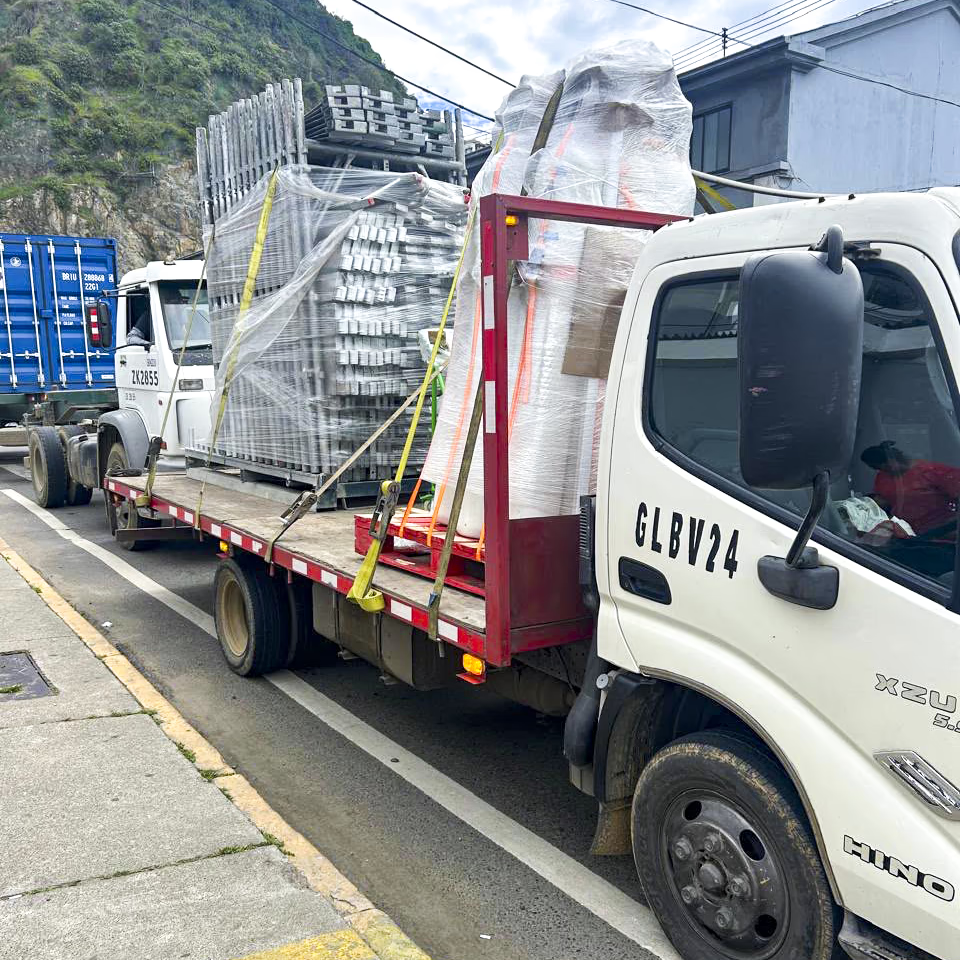
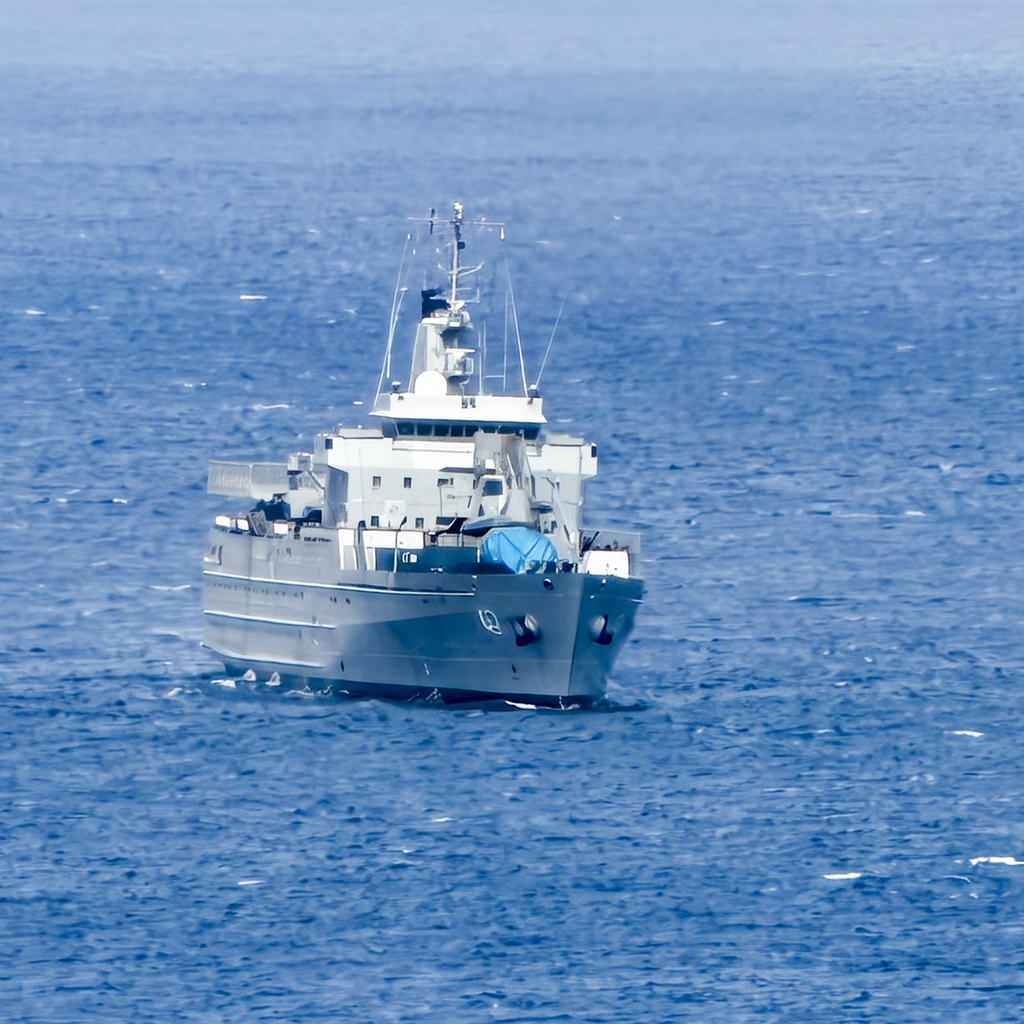
The Aquiles, a Chilean Navy ship, set sail from Valparaíso bound for Rapa Nui with two hyperbaric chambers on board. Until now, island patients requiring healthcare services unavailable locally had to travel 3,700 kilometers to the mainland, often separated from their families and communities. The arrival of these chambers aims to provide a new therapeutic option for the community and expand the healthcare capacity of this remote territory.
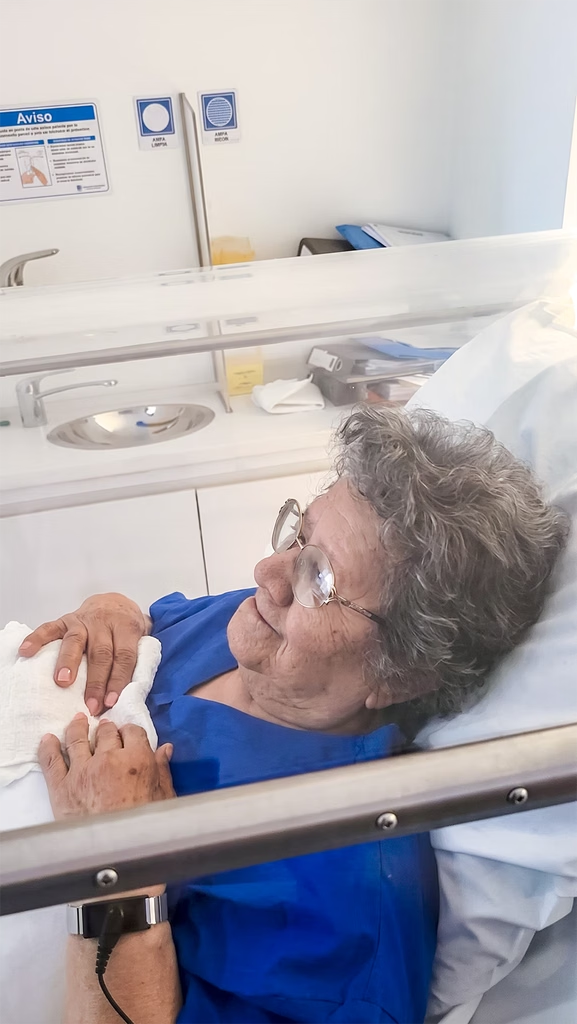
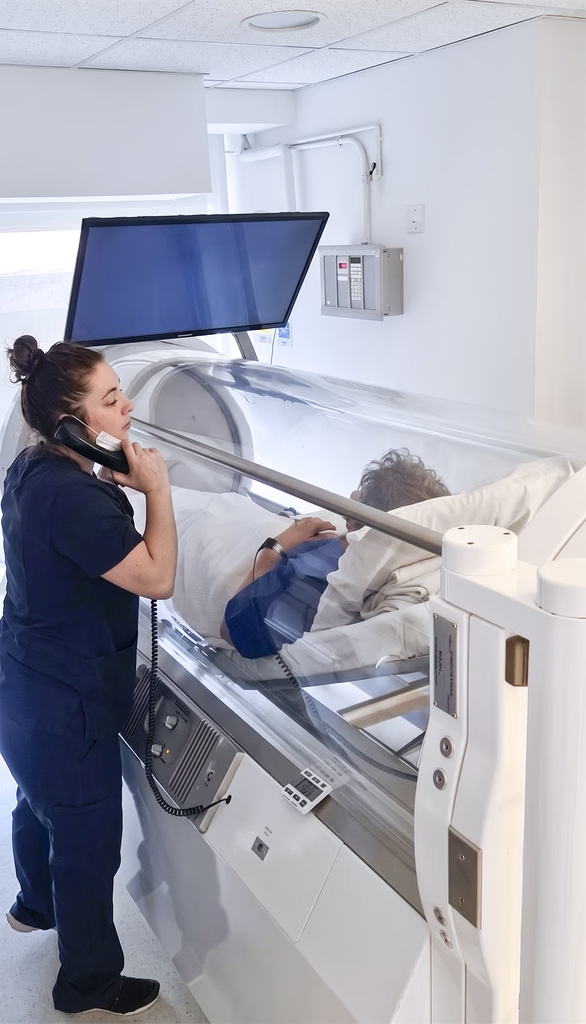
Contrary to popular belief, the usefulness of these chambers in Rapa Nui extends far beyond diving accidents. “Hyperbaric oxygen therapy can be used as a complementary treatment for specific medical conditions, such as certain complex wounds and injuries associated with diabetic foot, among others, as it stimulates tissue regeneration. And, of course, it will provide a fundamental tool in the event of a diving accident in one of the most isolated places in the world,” says Ovahe Tepano, a pediatric surgeon medical at Hanga Roa Hospital specializing in hyperbaric and underwater medicine. The degree of recovery, she explains, depends on the specific condition and the treatment prescribed by each specialist; “in general, oxygen therapy accelerates these processes.”
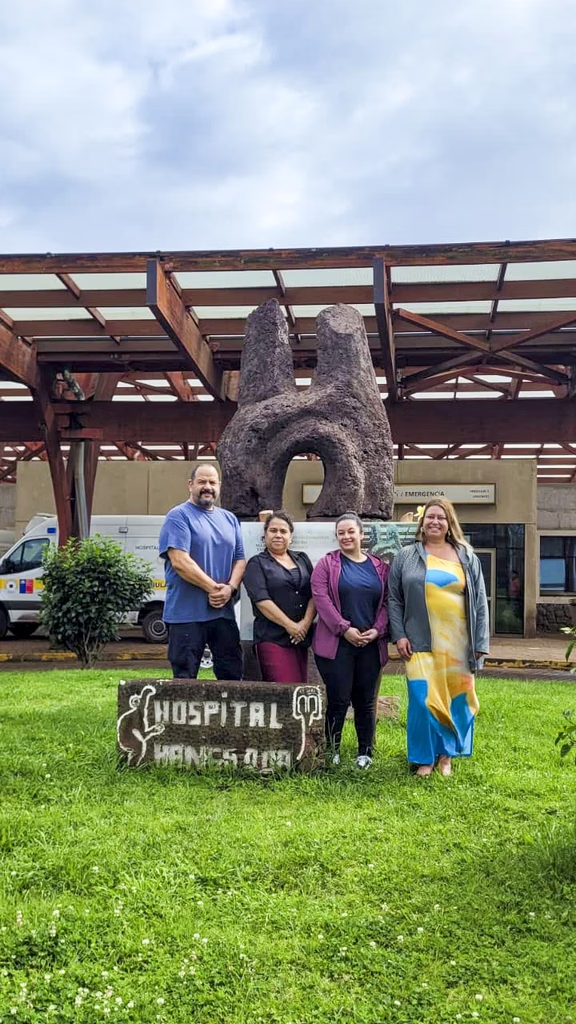
Behind this milestone are seven years of work on the chamber project. It was spearheaded by the Health for Rapa Nui Foundation, active since 2020 in connecting the island with specialists and medical services that are not available locally. The foundation is known for organizing specialized medical missions. Its 2020-2025 management report documents dozens of such missions: nearly 1,040 patients seen in a single multidisciplinary day in 2023, 84% coverage among the island’s senior citizens in 2022, and a mobile dermatology program that is now a regular initiative in partnership with the University of Valparaíso. One of its latest achievements is the acquisition of a mammography unit, which arrived in late 2021 and, four years later, is still operational at the Hanga Roa hospital.
Daniela, technical advisor and hyperbaric chamber operator.
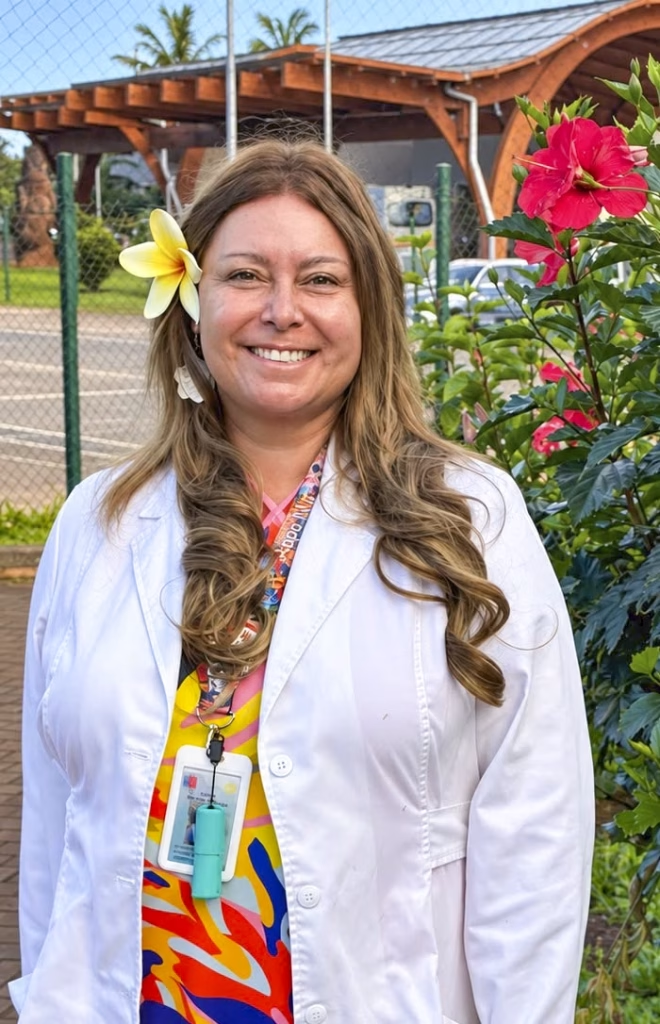
Fundación Salud para Rapa Nui
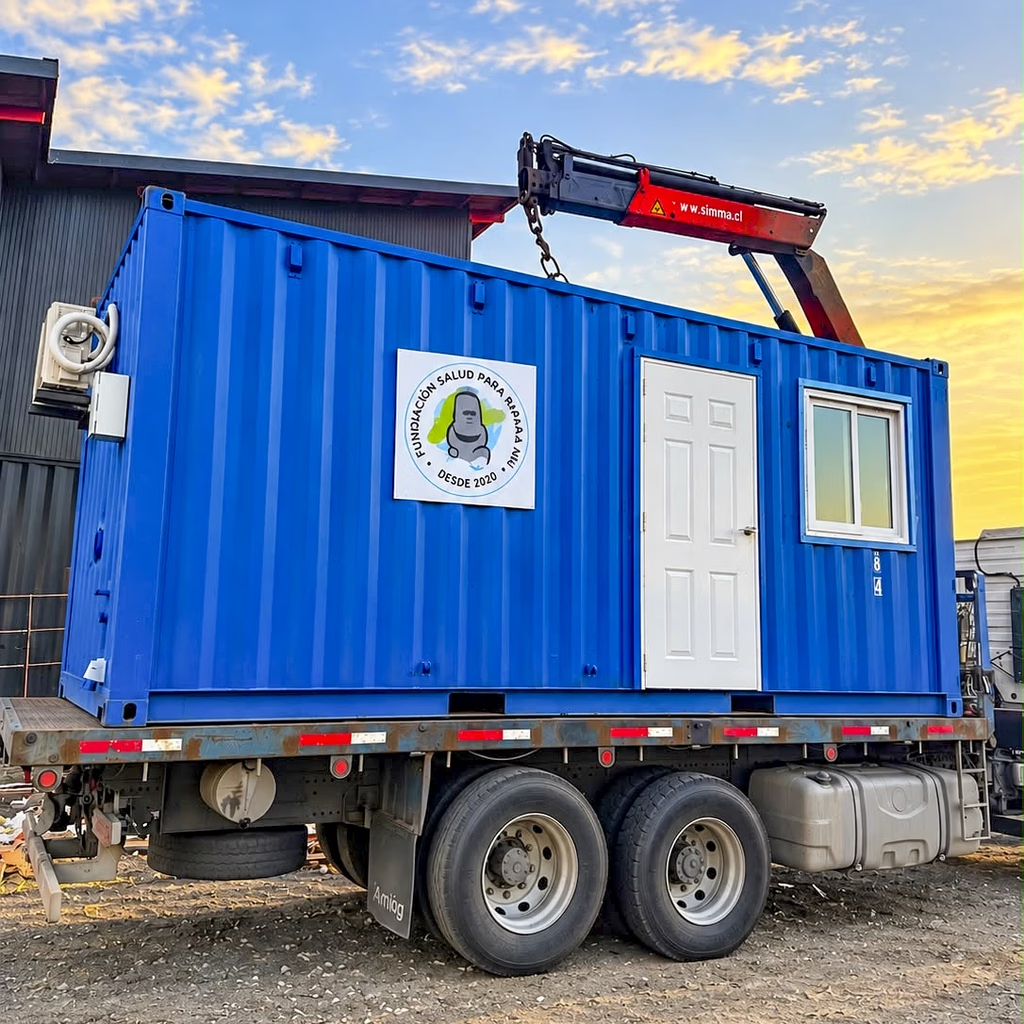
The donation of the chambers was finalized in February of this year. In addition to the equipment and associated supplies, a shipping container converted into a procedure room was provided, while the hospital donated the land and oxygen. Installation and certification were carried out by a specialized technical team, which arrived on the island on September 20.
The donor of the chambers is Dr. Andrés Llarena, a physician with extensive experience in diving and hyperbaric medicine. He was head of the Hyperbaric Medicine Service at the Almirante Nef Naval Hospital and, for over ten years, served as an institutional medical advisor in diving and hyperbaric medicine for the Chilean Navy. He has directed hyperbaric medicine centers and is currently the executive director of BAROMED. His contribution was not limited to donating the equipment: he is also in charge of providing technical advice for its implementation and commissioning, developing the protocols, and training the local clinical team that will operate the unit. This knowledge transfer allows for the safe and sustainable development of this new medical capability on the island.
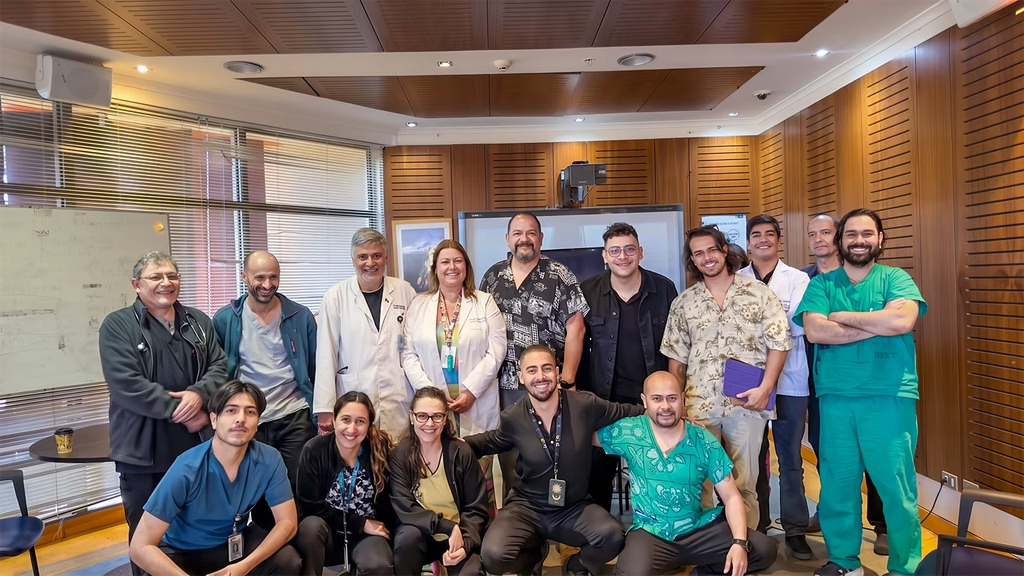
In addition to Dr. Llarena’s work, the doctor explains that the project will have telemedicine support from other hyperbaric physicians and a network of immersion nurses. During the first phase, an external specialist will remain on the island for a month while the local team continues its training, and remote support will continue thereafter.
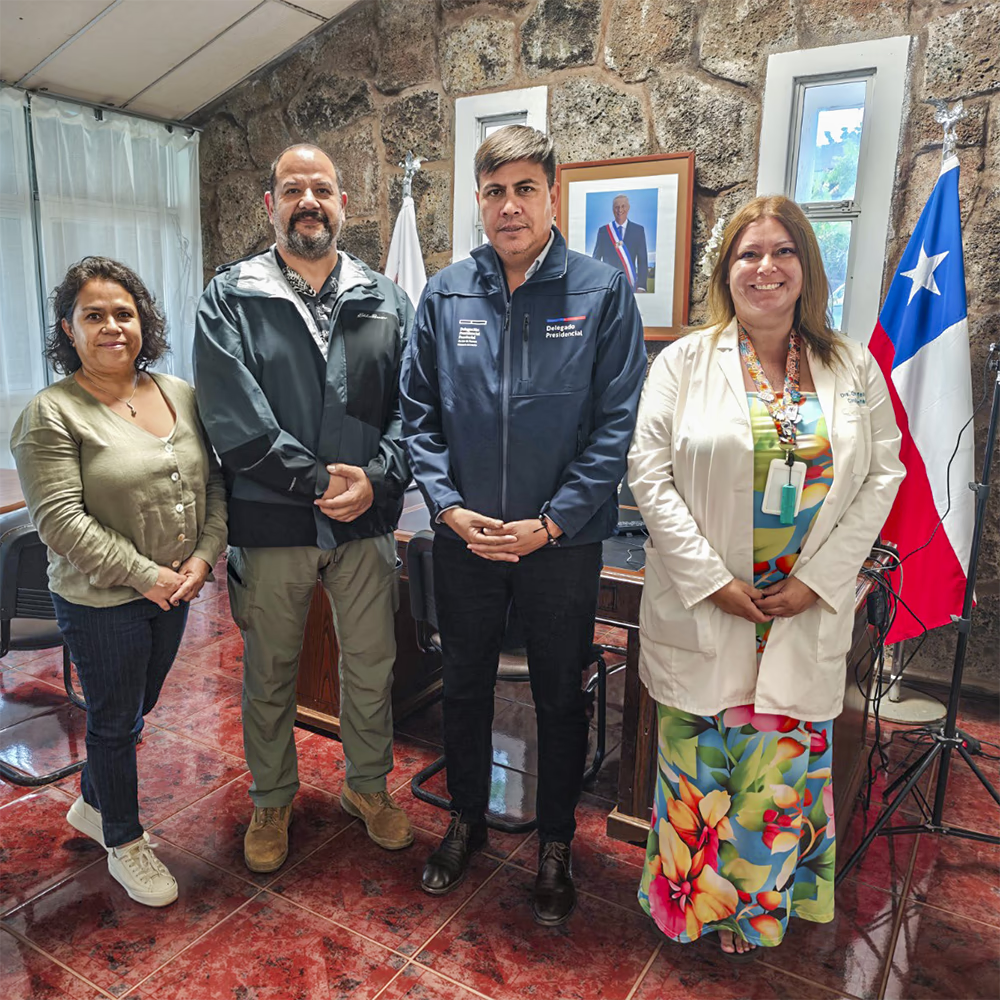
The project has the support of the Provincial Presidential Delegation of Easter Island, which assisted with the arrangements for its transfer; the Chilean Navy, which facilitated the transport of the cameras to Rapa Nui aboard the ship Aquiles; and the Hanga Roa Hospital, which has supported the coordination for their local installation. It has also received the support of the mayor and the Municipal Council, to which the project was formally presented in March of this year and approved. “Bringing medical equipment to the island always presents a special logistical challenge; that’s why this transfer is also a milestone,” says Tepano. The stevedores from SASIPA also assisted with the unloading in Hanga Piko.
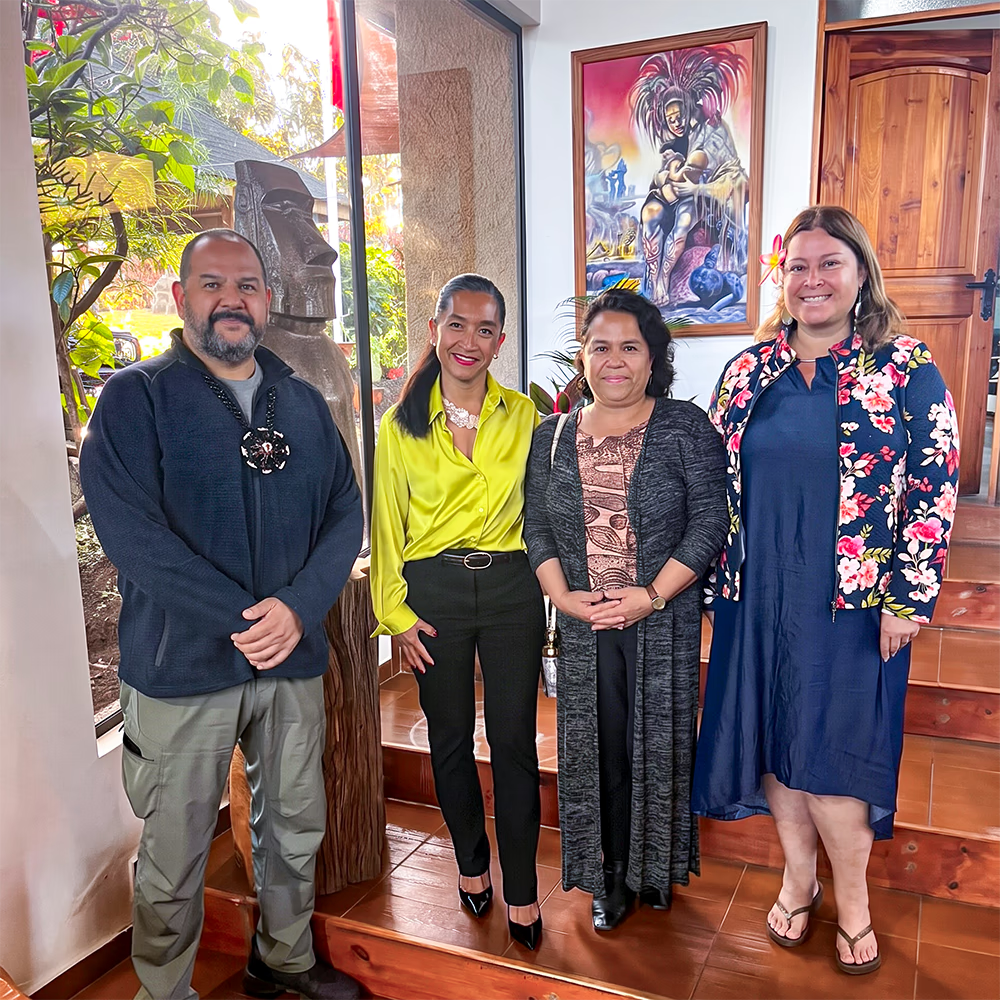
On an island, every patient who can be treated there is a patient who doesn’t travel 3,700 kilometers: it means fewer hospital days, less time away from their family and work. “Each new service we manage to implement in Rapa Nui means bringing health closer to our community,” says Ninoska Huki, also from the foundation.
The container and oxygen system are already on the island, and the hyperbaric chambers have also arrived on Rapa Nui. The clinical team is continuing its training, and part of the technical team that will participate in the installation and commissioning is already on site. The next stage will be to complete this process and move toward a sustainable operating model that ensures the necessary resources for staff, maintenance, and the continuity of service over time.
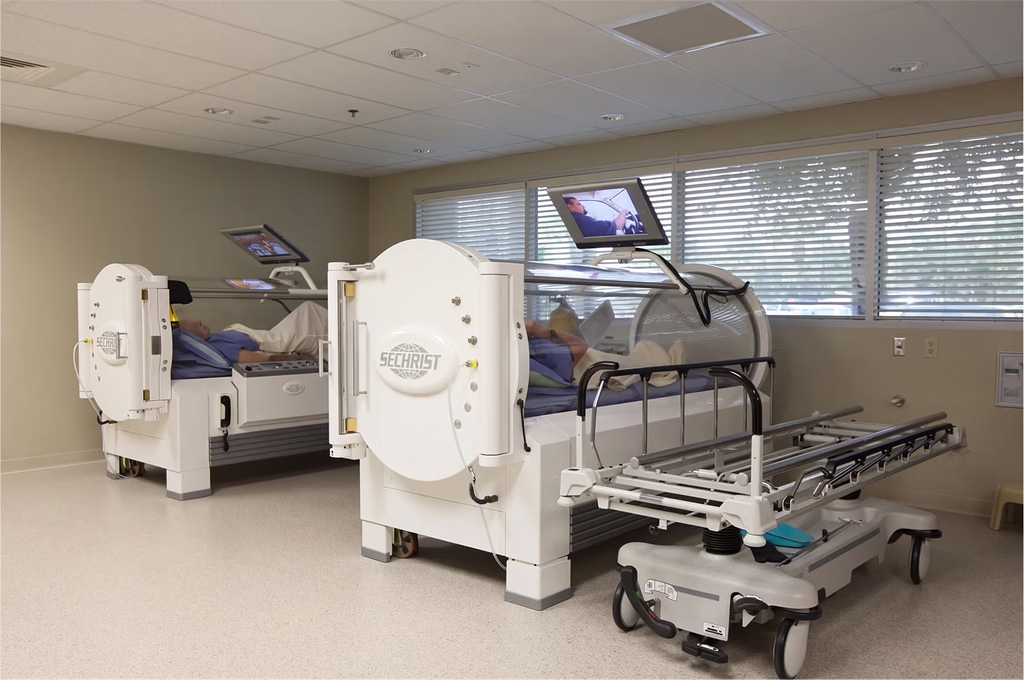
Dr. Andrés Llarena, donor of the hyperbaric chambers: “The community will benefit through the hospital’s services: it supports all surgical procedures, including trauma emergencies, and various groups of people, from pediatric patients to obstetrics. It also provides unprecedented medical support, positioning Rapa Nui on the world map of recreational diving with complete safety in the face of any eventuality.”
Tamara Maldonado, head of the professional medical services area at the Provincial Health Authority: “We oversee and authorize the implementation of the chambers to ensure they operate in accordance with all safety regulations and health rules, and we support the foundation throughout the entire process, focused on the common good. It is a great opportunity for the island, considering its geographical distance and the difficulty of accessing this type of service.”
Commander Miguel Ángel Bravo, Maritime Governor of Hanga Roa: “As the Navy, we were very pleased to contribute to the transport of the cameras from the mainland to Rapa Nui, a task we carried out together with the staff of the Maritime Governorate and Rotary Club Rapa Nui, which is affiliated with Rotary Club International, to support their installation at Hanga Roa Hospital. We will continue working with the Health for Rapa Nui Foundation, because contributing to the development of this island is part of our mission.”
Photos by Fundación para la Salud Rapa Nui


