The Commitment to Build Community, Rescue the Language, and Giving Back to the Island
By Consuelo Martínez
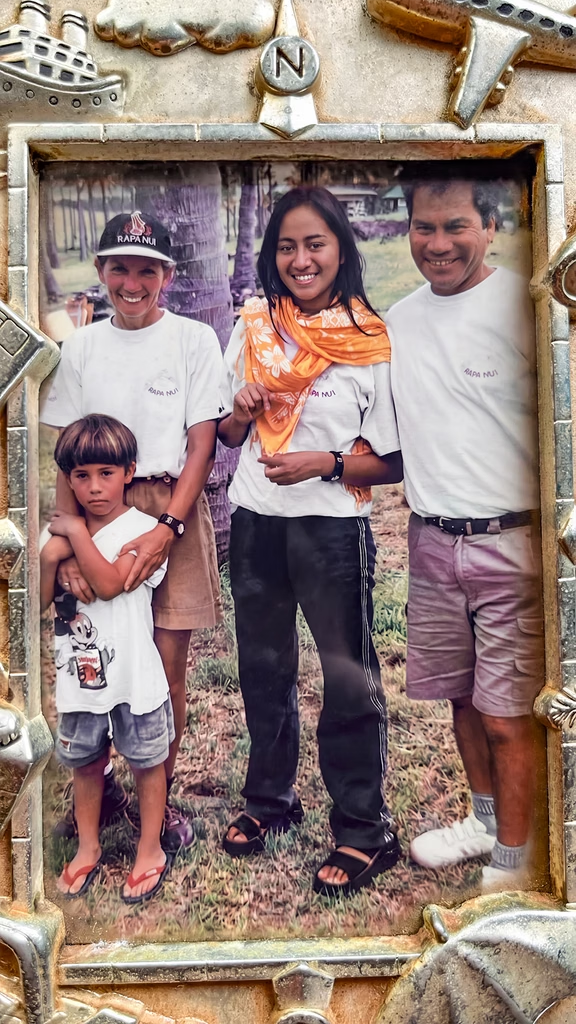
In 1987, Papaiano Jorge Tepano Paoa—son of Manuel Tepano Pérez and Marina Paoa Huke, grandson of Jorge “Kai ‘Uhi” Tepano Ika and Papaino “Moni Hiva” Paoa Teave—met Conny Martin, his future wife, on Rapa Nui. Conny continued her journey, leaving him a list of phone numbers and a condition: if he loved her, he would have to go and find her in Germany. Papaiano took it very seriously and got a job at a ski resort in Mont Blanc, France, and from there he began dialing those numbers. A friend passed on the message—”Hey, Conny, a guy named Jorge from Israel called you”—because she had heard Israel when he said Easter Island, and she went to find him; they married in Germany two years later and returned to the island.
Ariki grew up in a home where German and Rapa Nui were spoken. “Healthy. Without much outside interference,” he says. “My mother speaking German, with her German discipline. My father rapa nui, with his rapa nui discipline. It was wonderful to maintain those two strong cultural ties, which still shape me as a person today.”
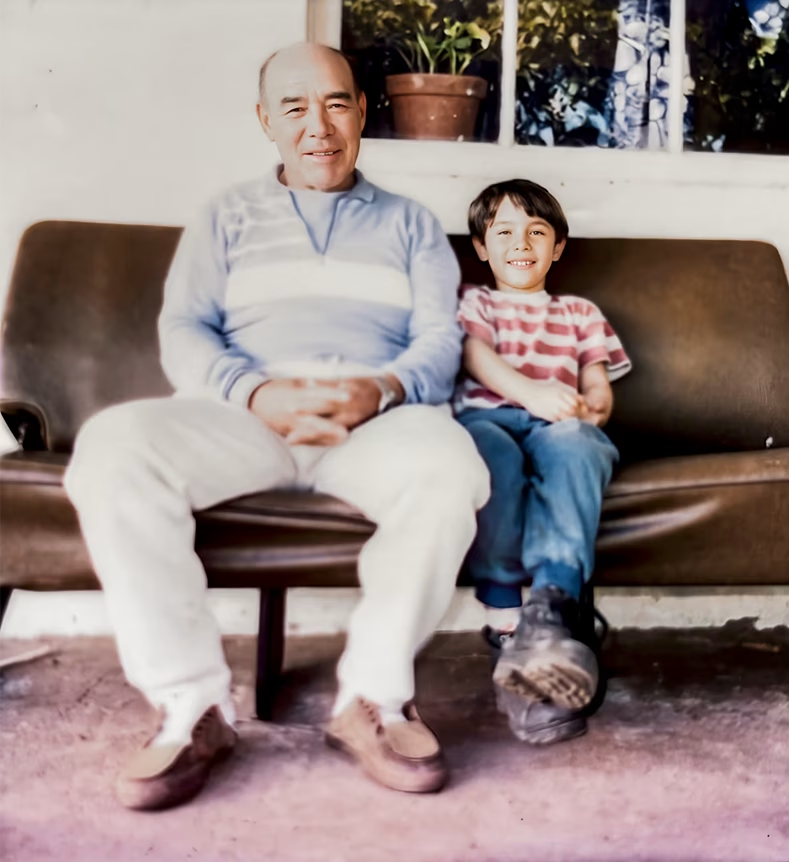
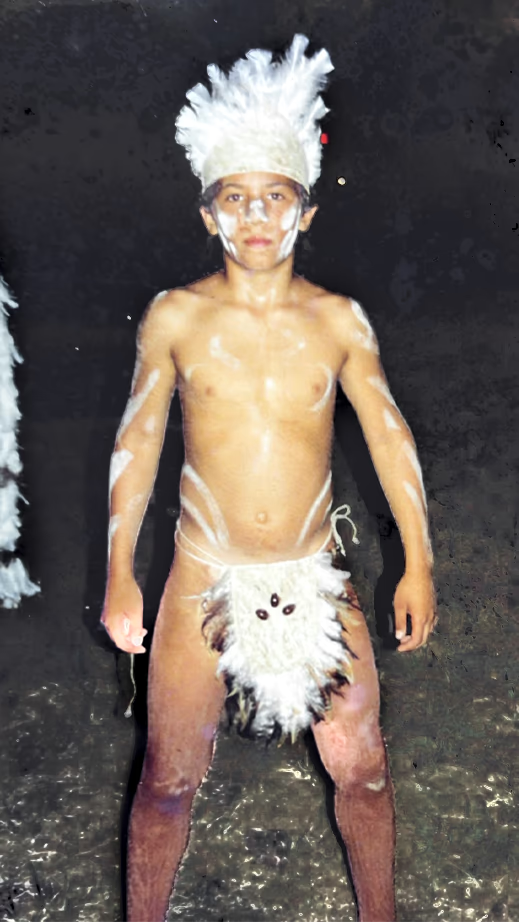
His father was a diver for much of his childhood, and he grew up surrounded by uncles who were also divers. His uncles also had him moving soil, building, and planting. At ten years old, his uncle Gato Tepano, whom he remembers fondly, taught him to carve. “On the island, the extended family is a clan; everyone teaches you. By ten years old, we’re already moving soil, building, going with the other uncles. From a very young age, they teach us to do everything and to share it with those who have less.” This is how a person was raised in old Rapa Nui: they knew how to build their house, dive, carve, sing, farm, and butcher an animal for the family. Ariki comes from that line.
In 1997, his parents founded Rapa Nui Travel, with the support of Manuel Tepano, Ariki’s grandfather. “Today it’s a respected agency, not only for its business acumen, discipline, and service, but also for its human touch.”
In the late nineties, Ariki joined the first cohort of the total immersion program in the Rapa Nui language at the Lorenzo Baeza Vega school. Many of his classmates now hold important positions on the island. “Language is a means of transmitting cultural values that we want to preserve from our ancestors.” At fifteen, he became a father with Carolina Pont Icka. They stayed together and finished their studies. When they went to the mainland for university, their son remained on Rapa Nui, and his upbringing was continued by extended family. “Perhaps we had to become adults very young, but that’s how it is here on the island: grandparents are an integral part of raising children. That allowed us to study abroad, work hard, and then return to work full-time on the island.”
He earned his economics degree from the University of Chile, the first person from Rapa Nui to do so. He did his internship at the Central Bank and planned to write his thesis on a tax system for a future self-government. He changed his mind when he noticed that his son, whom he had begun raising in Rapa Nui, was speaking the language less and less. Since 2008, the total immersion program had been phased out of the official school system. The parents of that generation of students created the NGO Hōŋa’a Re’o Rapa Nui to continue it outside of the formal system. “I said, wow, it’s not all about money, it’s time to give back to the ancestors.” That’s why his thesis addressed an educational reform based on language revitalization and the contributions of teachers like Virginia Haoa and the families.
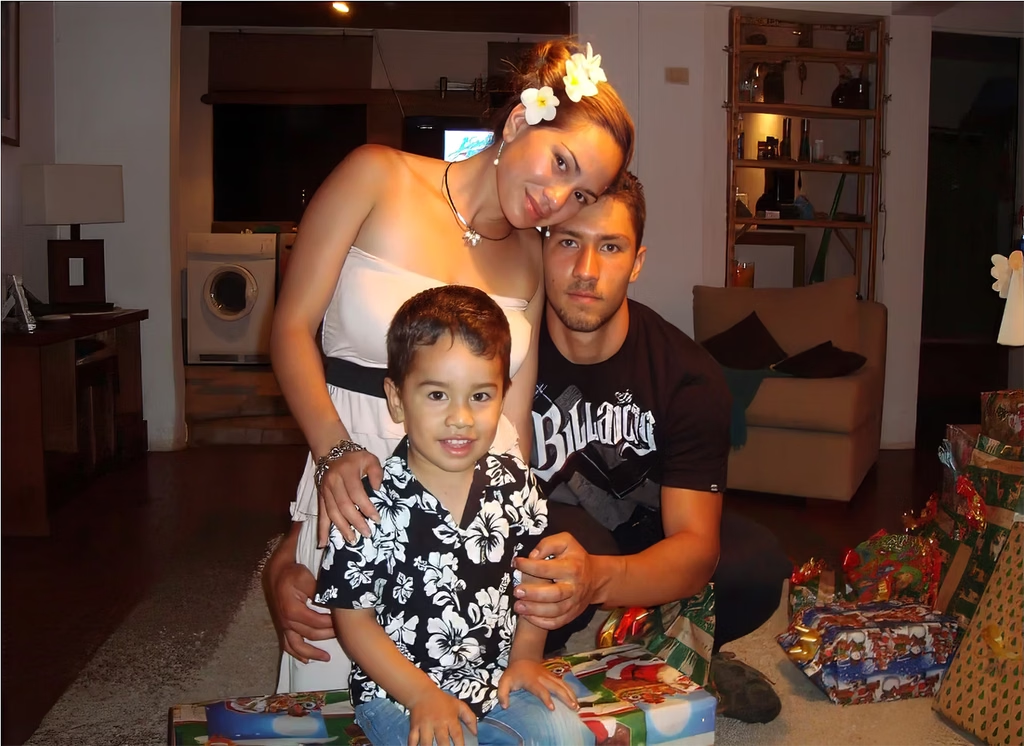
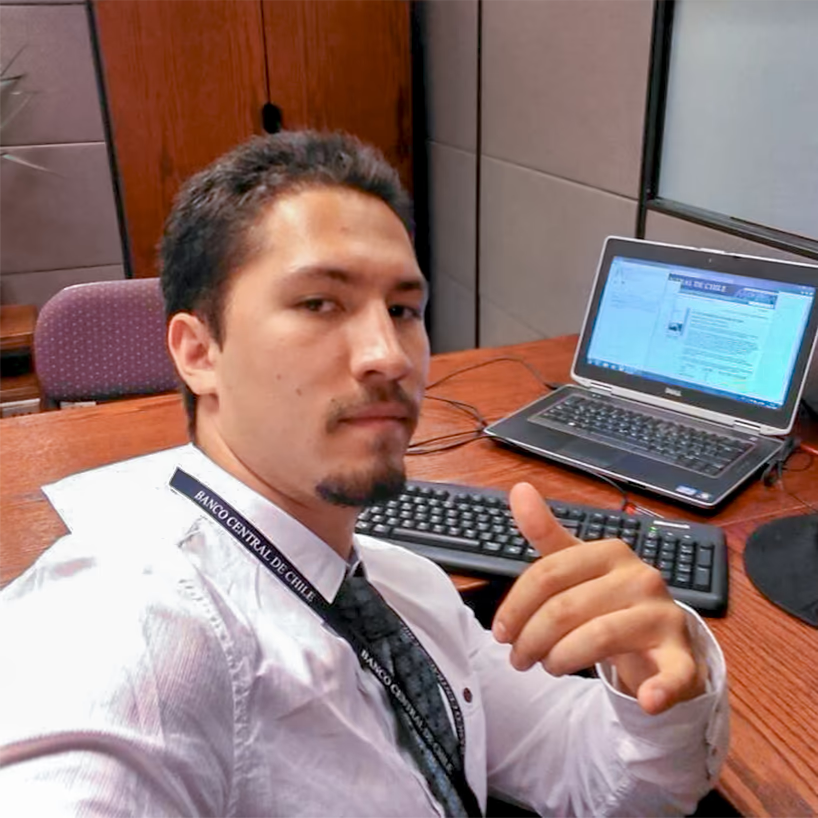
Upon graduating, UNESCO and the Ministry of Education offered him the opportunity to coordinate immersion programs outside the formal system. <br/>For almost three years, he acted as a liaison between the institutions. His counterpart was Christian “Oso” Madariaga, his former teacher. They brought in specialists from New Zealand, developed the curriculum that Hōŋa’a Re’o still uses today, and, with the then-principal of Lorenzo Baeza Vega, agreed to return the program to the school. “Ultimately, what’s needed is someone who doesn’t have any ego clashes with anyone and who can act as an intermediary to help generate something. You’re just another cook who goes into the kitchen and grabs the ingredients to bake a cake.”
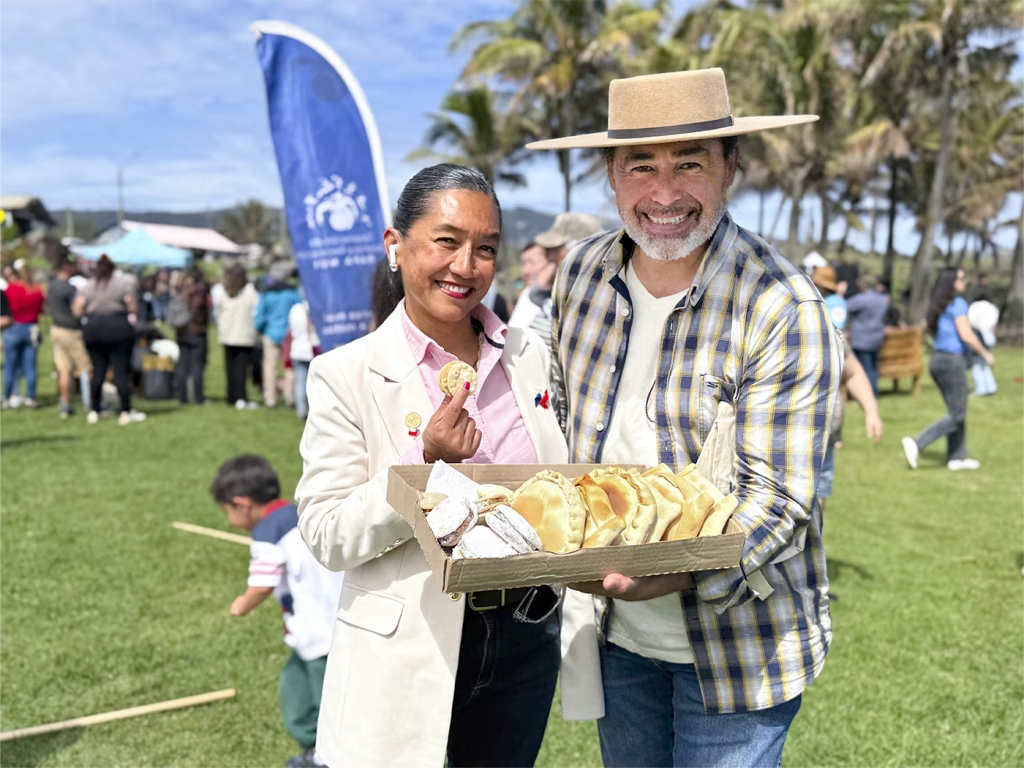
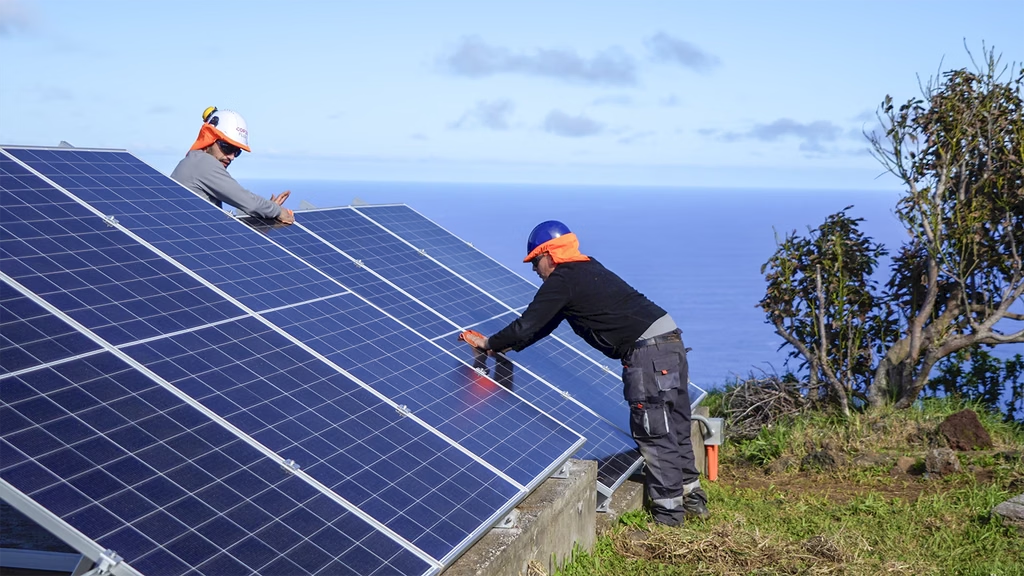
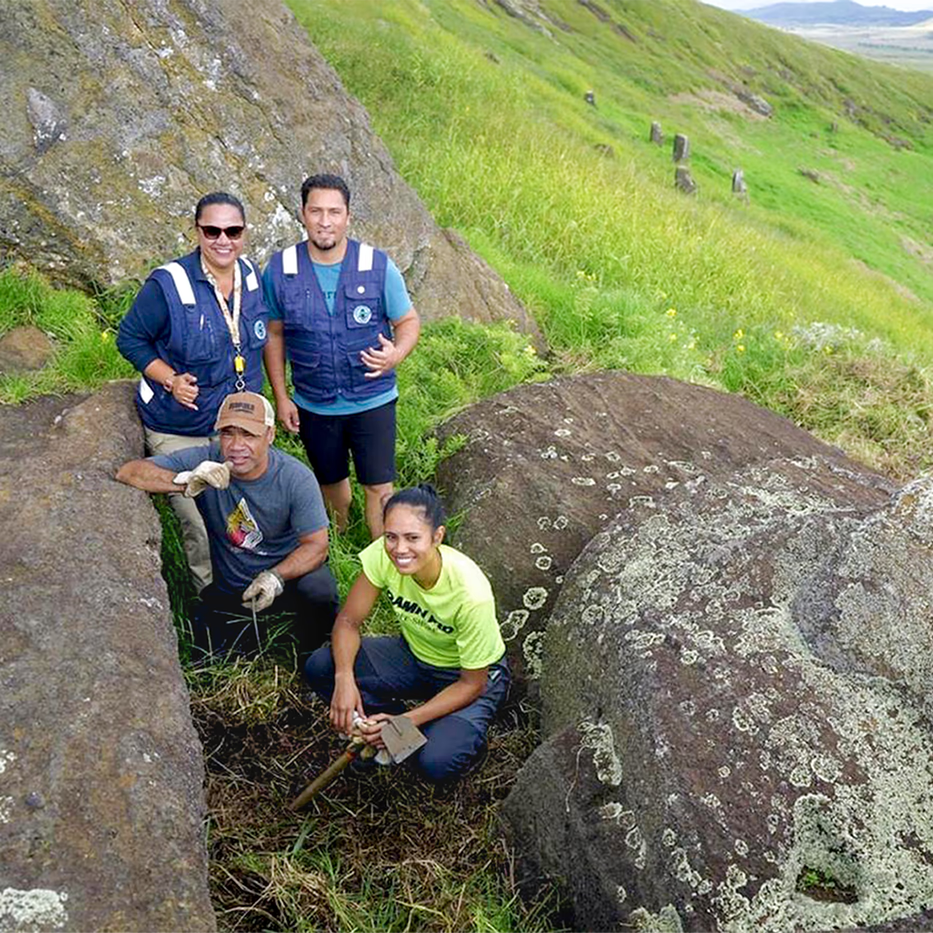
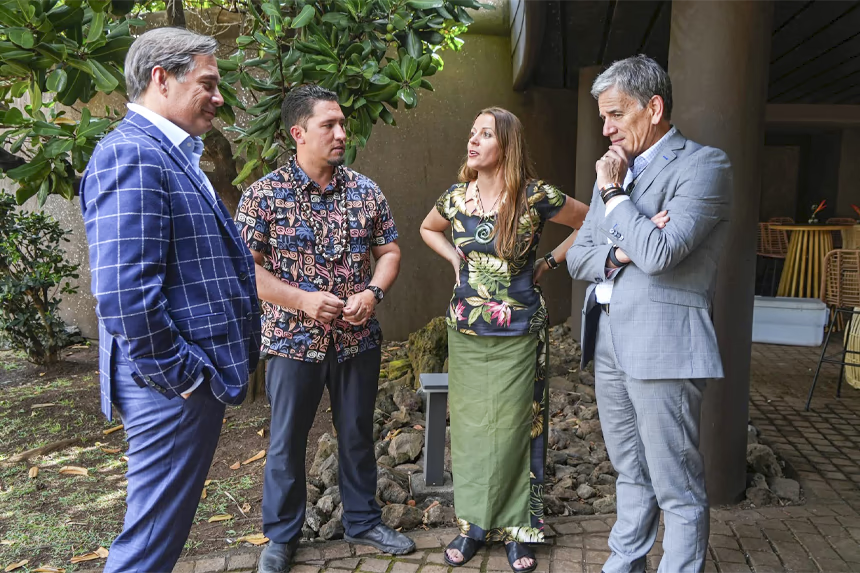
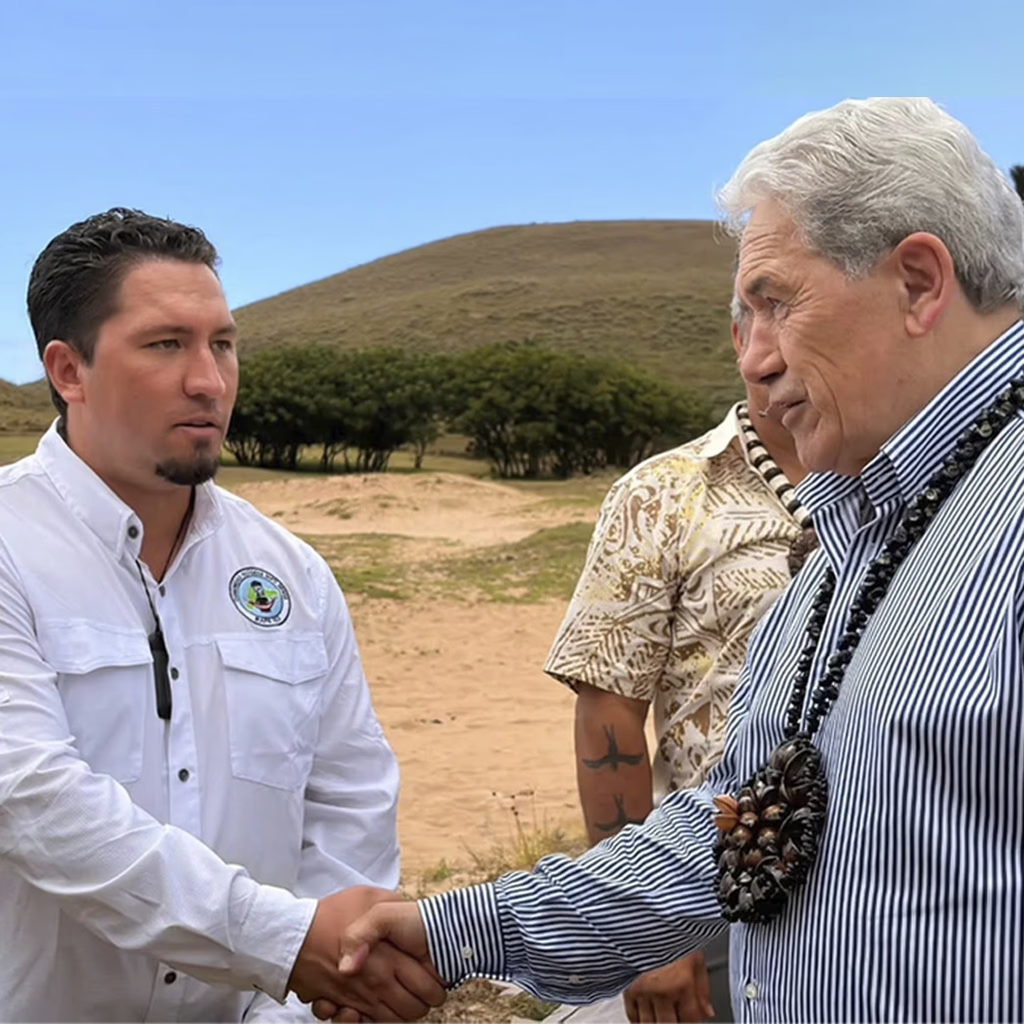
During the pandemic, due to his transparency and dedication to service, his teammates invited him to join the Indigenous community that manages Rapa Nui National Park. He has been with the organization for six years: three as board secretary, one as manager, and two as president. After the park reopened, the organization was barely covering its operating expenses. As an economist, he understood that simply keeping it afloat wasn’t enough: the finances had to be put in order so the community could invest in its infrastructure and the quality of its services. In 2023, Ma’u Henua closed with a deficit of 194 million pesos; in 2025, with a surplus of 2 billion. For the first time since the pandemic, there were resources available for investment. Since 2025, Ma’u Henua has been funding part of Hōŋa’a Re’o. “Life takes unexpected turns, and it feels good when the turn lands where it should, where you expected.”
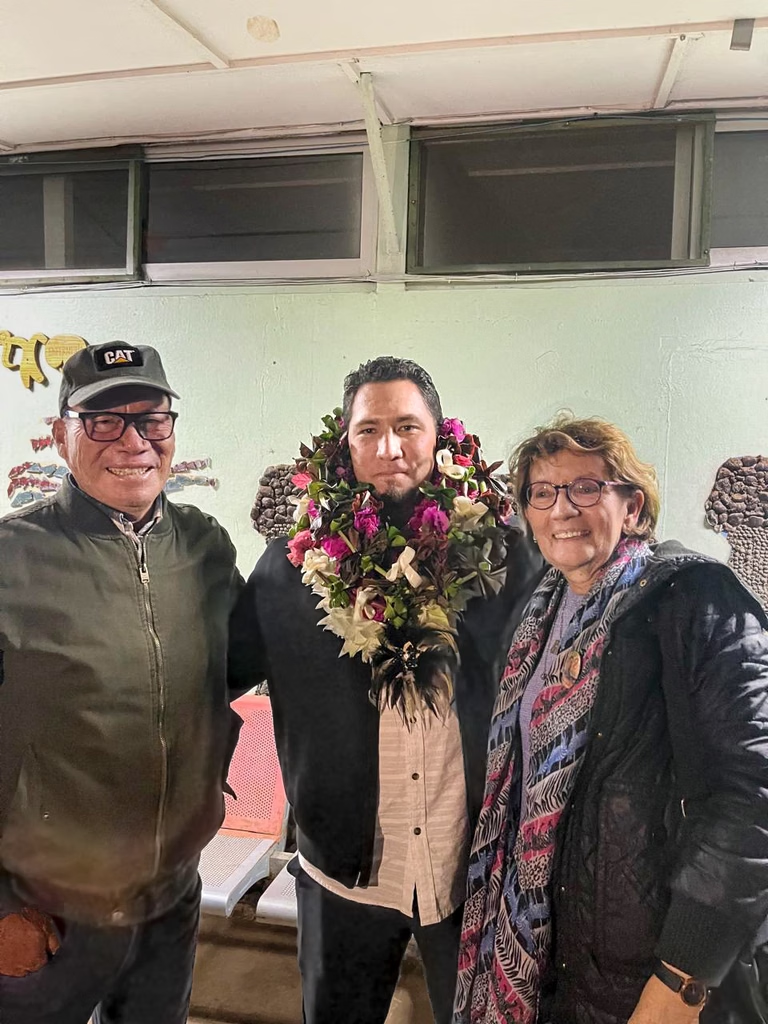
His mother recently passed away. “She was a kind, disciplined woman. Always wanting to help others,” he recalls. “Today, without my mother here, we, the Rapa Nui Travel team, try to maintain that legacy.” His father has retired and lives in the ‘uta, where he farms. “My son is turning 18 now and plans to study English in New Zealand, continue his higher education, and contribute to the island,” he says.
Today he divides his time between family, the company and Ma’u Henua. With the finances more settled, his priority is training those who work at the institution: “The biggest challenge is education.” “That they feel they have a career within the company, which belongs to all rapa nui people.” The consolidation of Ma’u Henua allows for the development of initiatives for the conservation, restoration, and enhancement of the archaeological heritage. He is also concerned about the elderly on an island without a good social security system. “All the people of that generation who worked so hard for us, today, if they don’t have a relative to take care of them, are left destitute.”
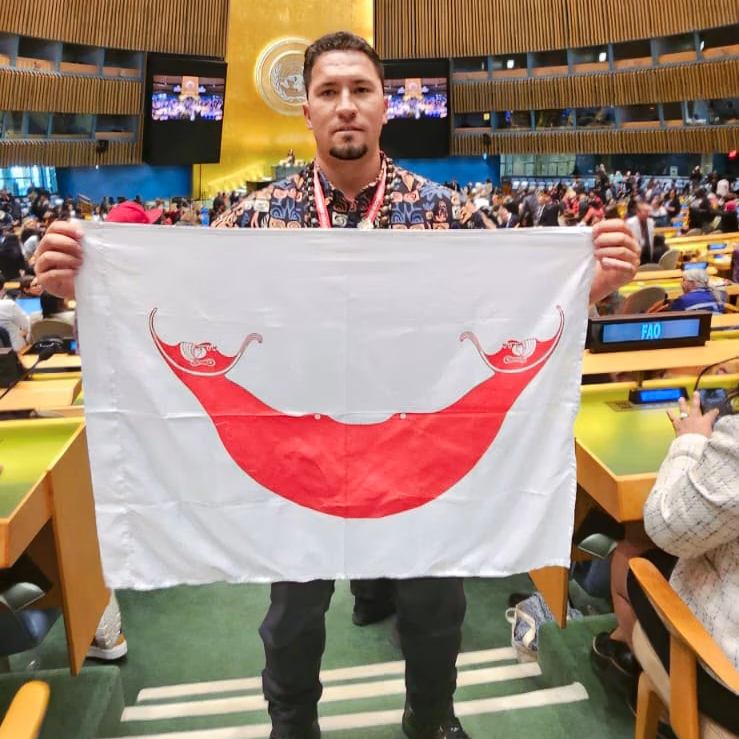
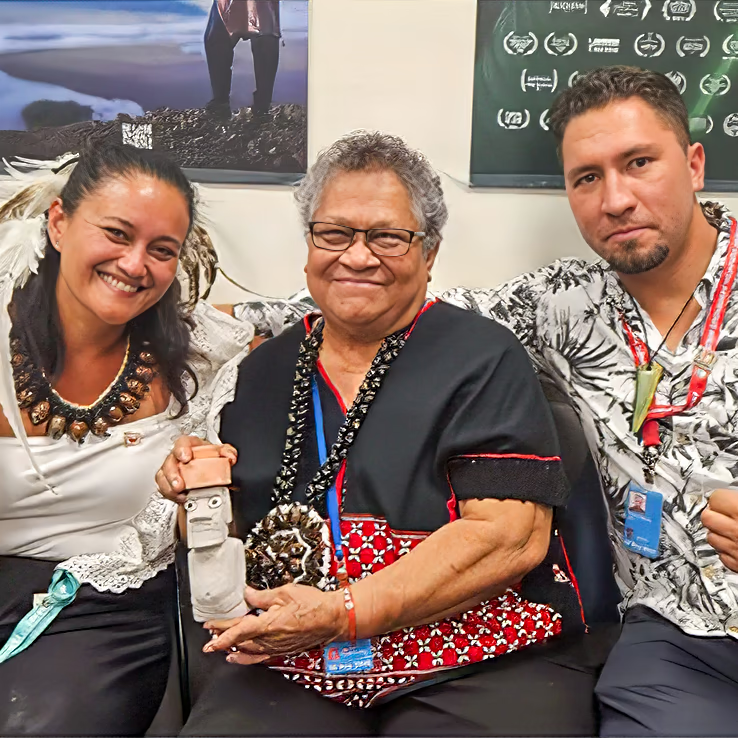
“Being in charge of Ma’u Henua, you see the whole of Rapa Nui,” he says. “When I wake up, my mind is filled with the challenges we face regarding people, development, the land, the environment, and our heritage.” His message for those who come after him: “Sometimes you have to slow down, reach an agreement, and together take care of our island and the great heart that our ancestors left us for future generations.”