
By: Anaís González Pérez y Sergio A. Carrasco – Faculty of Natural and Oceanographic Sciences, Department of Oceanography. University of Concepción
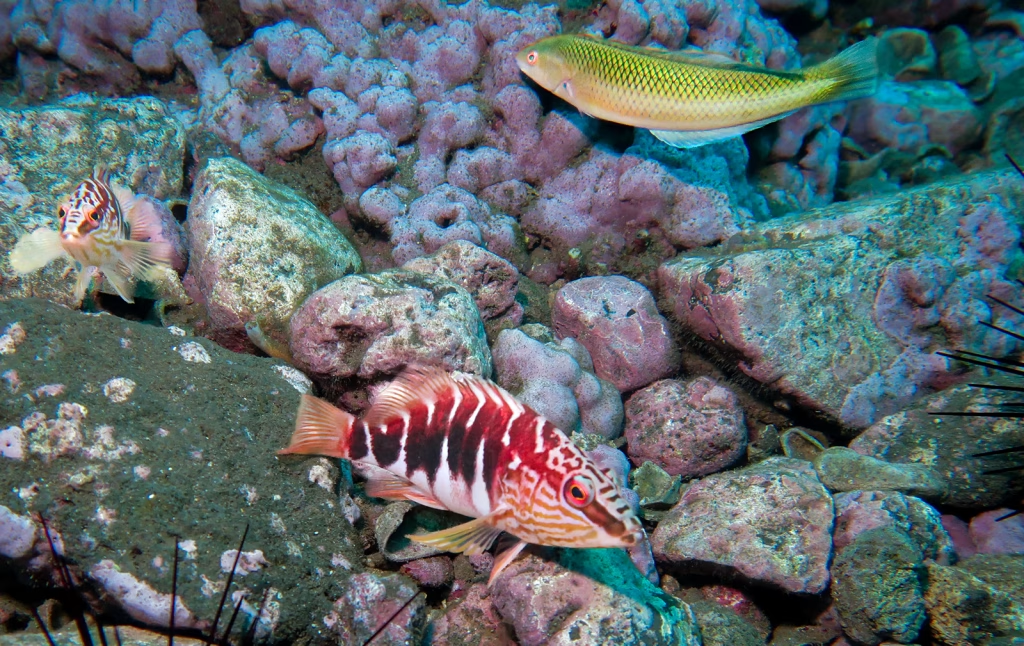
- Figure 1: Coastal reef fishes from Robinson Crusoe Island, Juan Fernández Archipelago, including the Juan Fernández pilotfish (Hypoplectrodes semicinctum) on the bottom and the the Juan Fernández Wrasse (Malapterus reticulatus) on top.
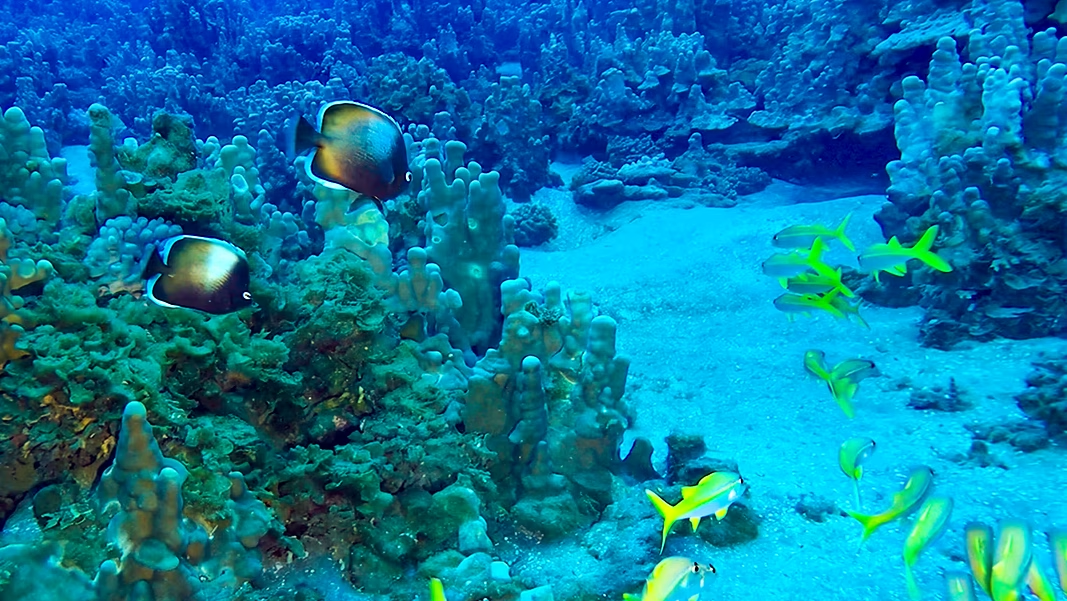
- Figure 2: Coastal reef fishes from Rapa Nui, including the Tipi Tipi’uri or Rapa Nui butterflyfish (Chaetodon litus) on top and the A’avere or yellowfin goatfish (Mulloidichthys vanicolensis) on the bottom.
Several studies on early life stages of fish conducted in Chilean island systems (Rapa Nui, Salas y Gómez, and Juan Fernández Archipelago) have shown that these oceanic islands serve as spawning and rearing grounds for both insular and oceanic fish species. These areas possess favorable conditions that support larval survival and facilitate further recruitment and growth at the end of its development (Fig. 1,2).
The early life stages of fish begin with intracapsular embryonic development until hatching, passing then through several larval stages including: a preflexion stage (dependent on the yolk sac for nutrition), a flexion stage (skeletal reorganization and notochord curvation), a postflexion stage (full development of fins and organs), until the final transformation of a juvenile form. These morphological changes include physiological and ecological changes that provide critical information on the species life cycle (Fig. 3).

Figure 3: Illustration of a preflexion-stage larva of the species Chromis crusma.
During expeditions to Robinson Crusoe Island (2017–2019) and Rapa Nui (2018–2019), samples of early life stages of fish were collected using light traps at depths between 10 to 15 meters (Fig. 4). The samples obtained were identified to the lowest taxonomic level using a combination of morphological characteristics and molecular markers. Each individual was identified by comparing with available descriptions on continental and insular fauna and ichthyoplankton, using morphological characters such as body and head shape, size and number of fin rays and spines, as well as characteristic pigmentation and coloration patterns.
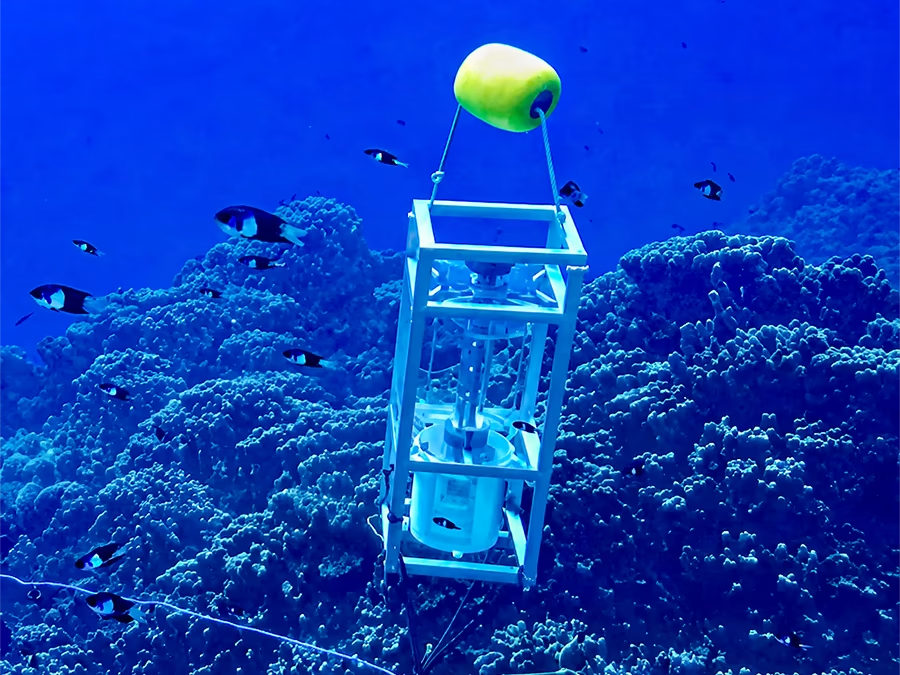
Figure 4: Larval collector used for sampling; light trap at Poike, Rapa Nui
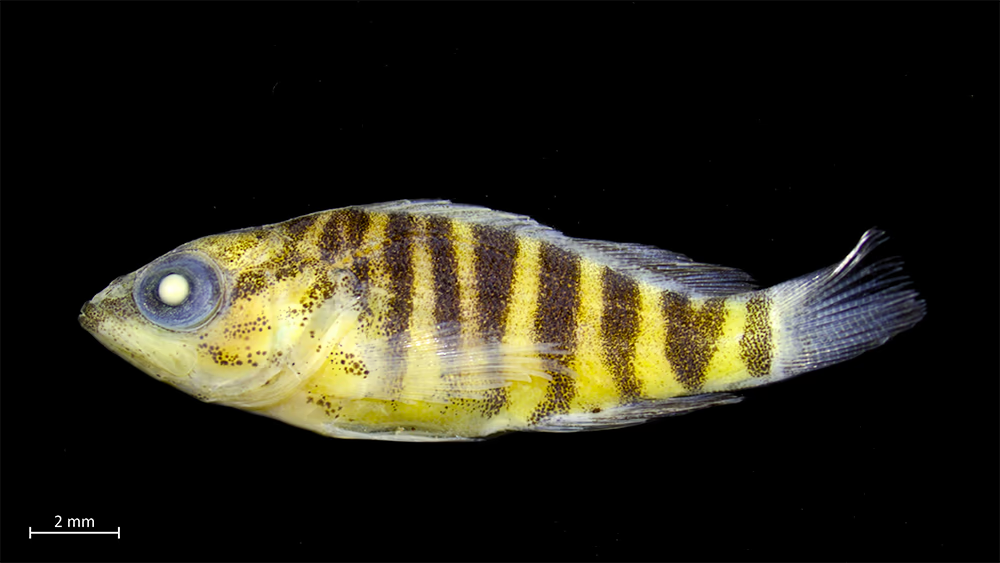
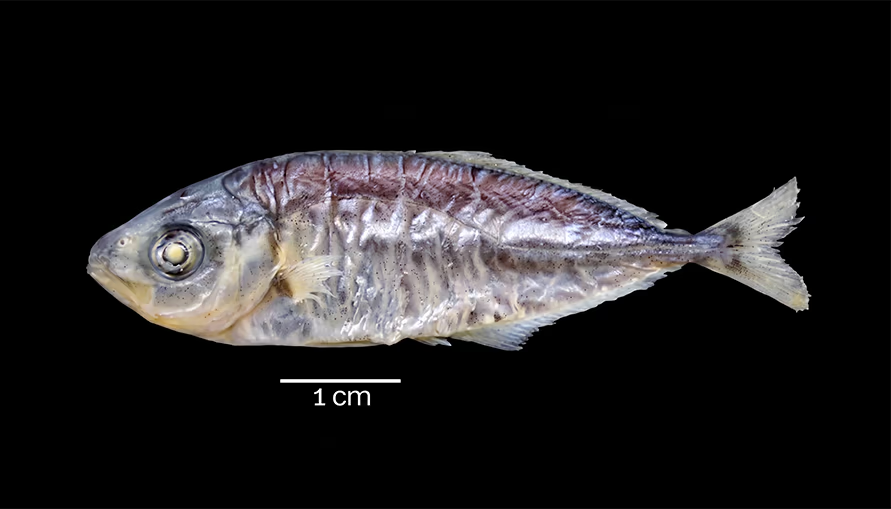
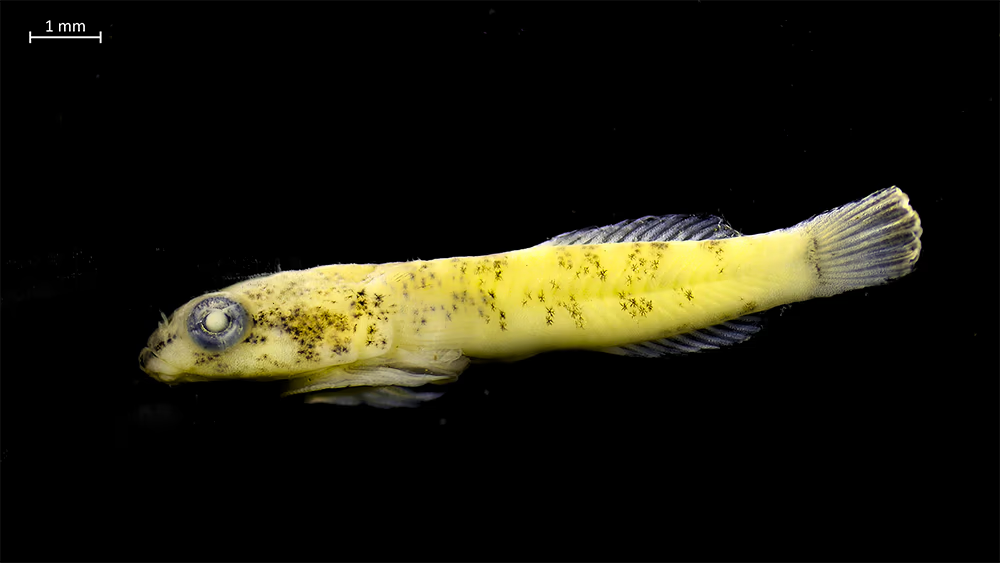
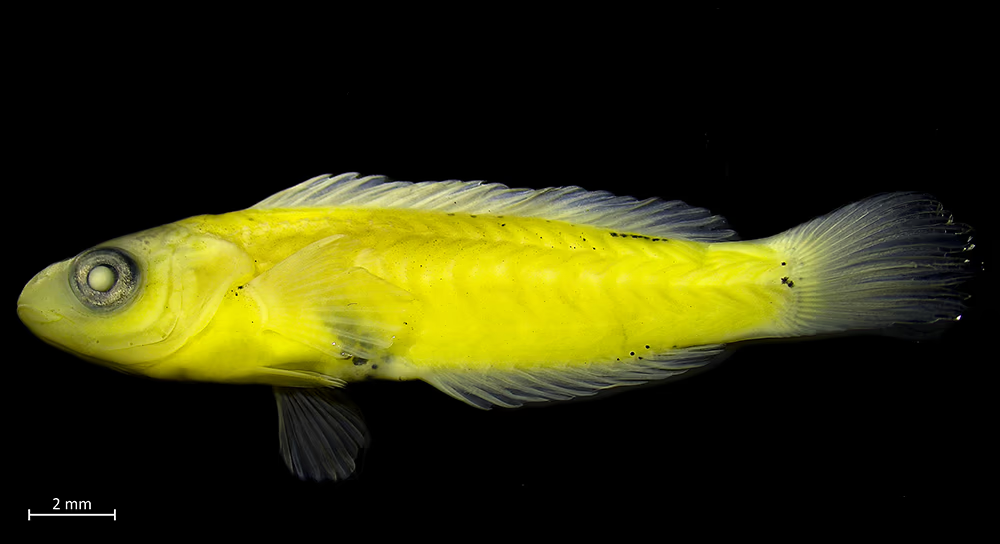
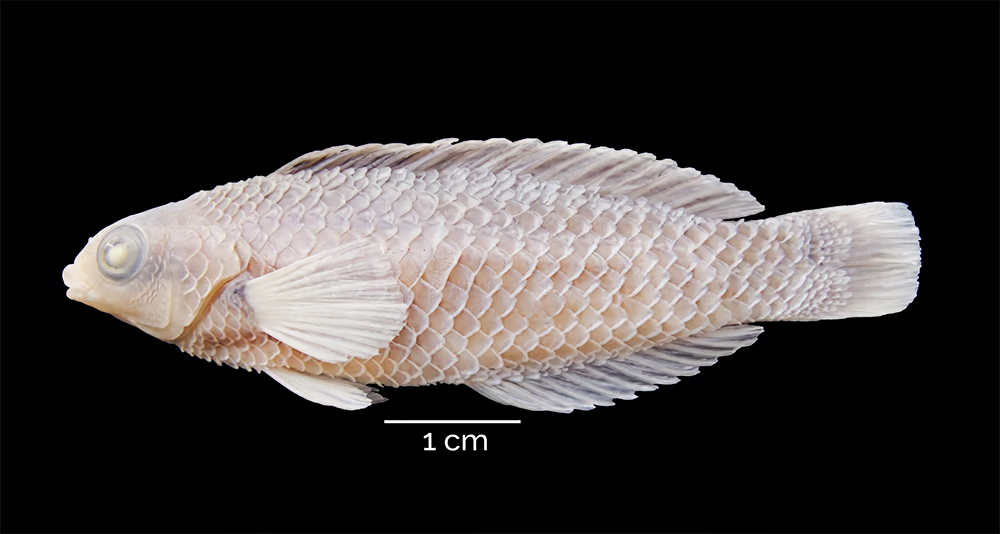
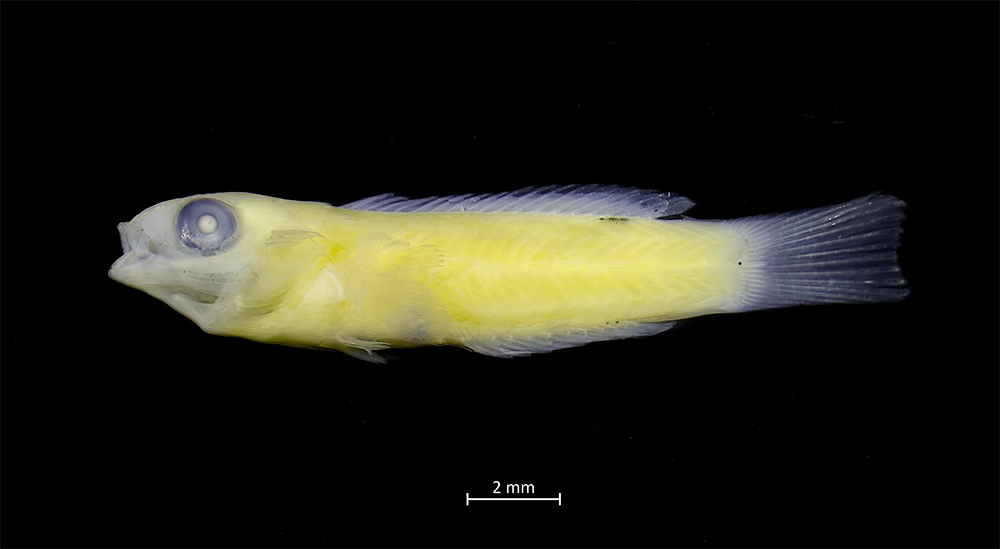
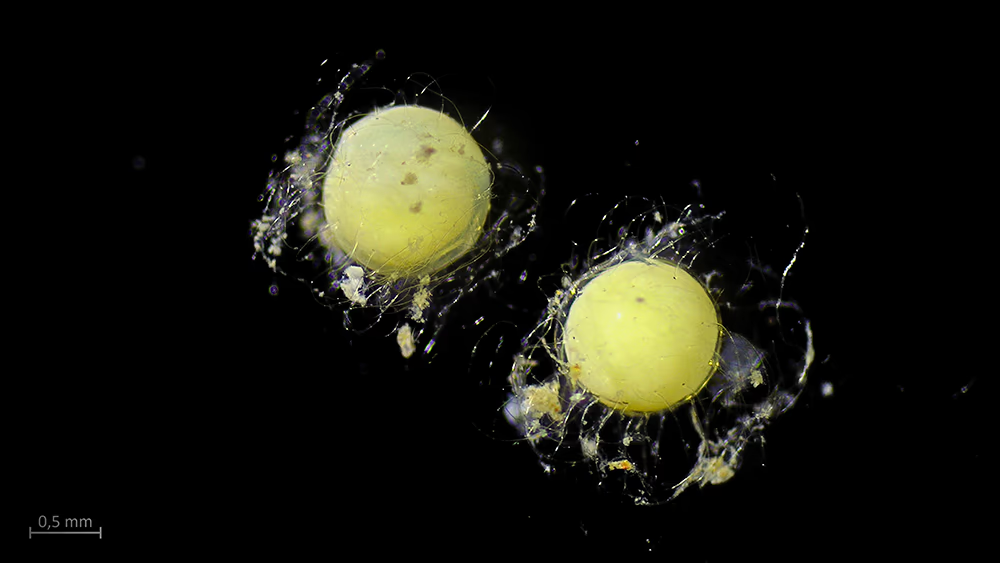
En la isla Robinson Crusoe se identificaron estadios tempranos de siete especies: Hypoplectrodes semicinctum (Piloto de Juan Fernández; Fig. 5), Pseudocaranx chilensis (Jurel de Juan Fernández; Fig. 6), Sicyases sanguineus (Pejesapo; Fig. 7), Malapterus reticulatus (Vieja de Juan Fernández; Figs 8 y 9), Paratrimma nigrimenta (Góbido; Fig. 10), Scorpaena sp. (pez piedra/pez escorpión; Fig 11) y Cosmocamtpus heraldi (pez pipa; Fig 12). En Rapa Nui se identificaron dos familias Gobiidae (Fig 13) y Labridae (Fig 14), y la especie Cheilopogon sp. (pez volador; Fig. 15).
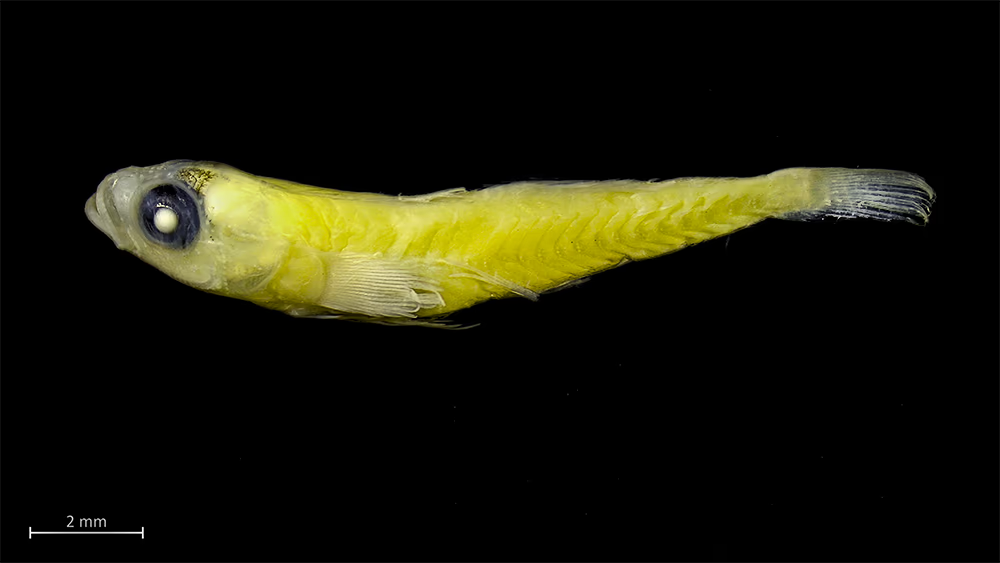
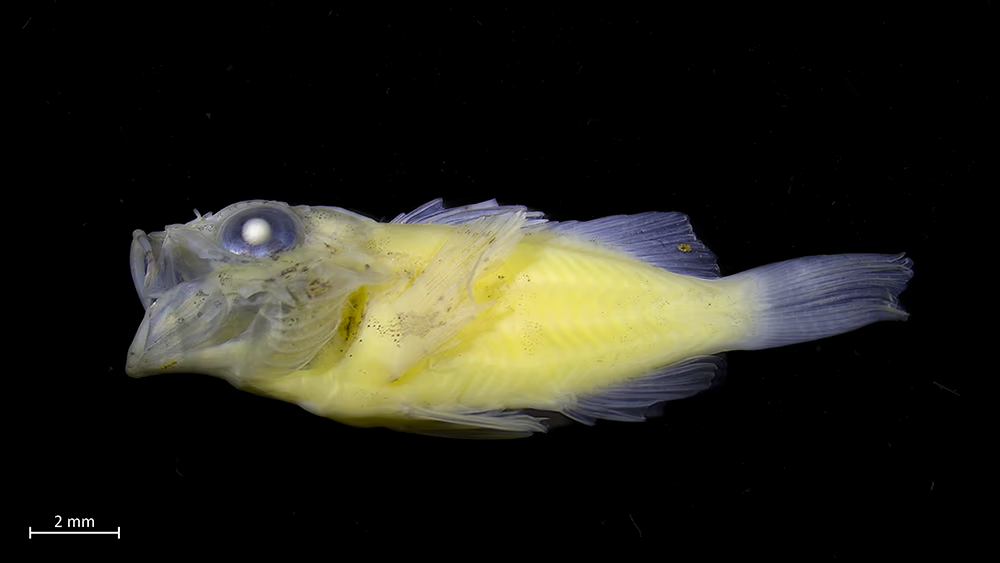
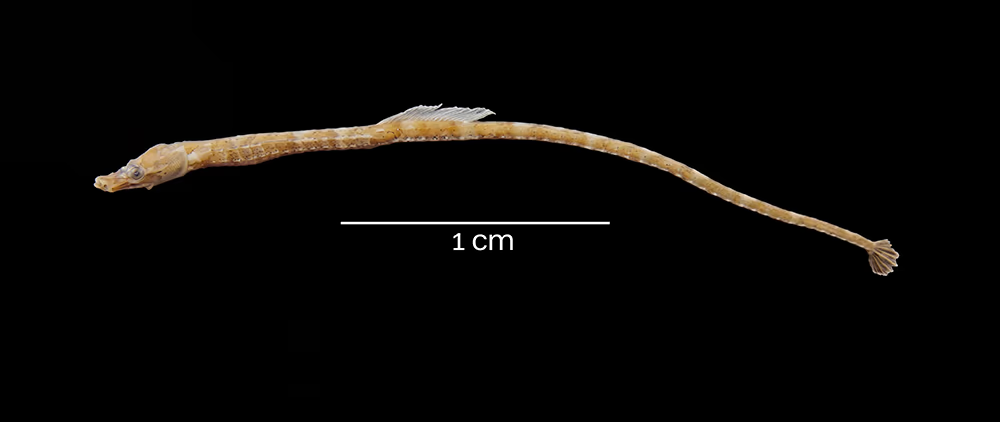
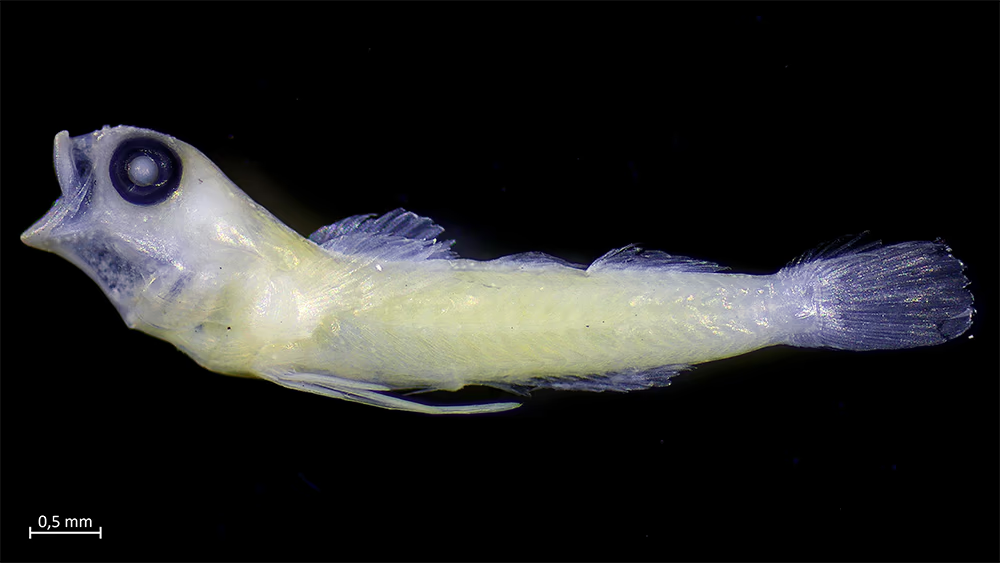
The study of these insular systems is extremely important as they provide key information on species diversity, as well as temporal and spatial patterns of reproductive activity among the species inhabiting coastal reefs.
The use of genetic analyses to complement taxonomic identification of these early life stages on remote locations can help us elucidate the identity of crucial components of these ecosystems, which act as natural laboratories where fish play important ecological roles. Correctly identifying each taxon allows us to assess the fragility of these networks to design effective conservation strategies.
Early life stage species on Robinson Crusoe Island and Rapa Nui described by the authors:
Figure 5: Juvenile of the species Hypoplectrodes semicinctum, collected in Adriático. Credits: Anaís González Pérez.
Figure 6: Juvenile of the species Pseudocaranx chilensis, collected in El Francés. Credits: Darío Navarrete.
Figure 7: Larva in the transformation stage of the species Sicyases sanguineus, collected in Adriático. Credits: Anaís González Pérez.
Figure 8: Larva in the transformation stage of the species Malapterus reticulatus collected in El Francés. Credits: Anaís González Pérez.
Figure 9: Juvenile of the species Malapterus reticulatus, collected in Vaquería. Credits: Darío Navarrete.
Figure 10: Post-flexion larva of the species Paratrimma nigrimenta, collected in El Francés. Credits: Anaís González Pérez.
Figure 11: Post-flexion larva of the species Scorpaena sp., collected in El Francés. Credits: Anaís González Pérez.
Figure 12: Juvenile specimen of the species Cosmocampus heraldi, collected in Vaquería. Credits: Darío Navarrete.
Figure 13: Post-flexion larva of the Gobiidae family, collected in Vinapu. Credits: Anaís González Pérez.
Figure 14: Post-flexion larva of the Labridae family, collected in Hanga Oteo. Créditos: Anaís González Pérez.
Figure 15: Eggs of Cheilopogon sp., colelected in Poike. Créditos: Anaís González Pérez.


