
Since the late 19th century, several expeditions have attempted to unravel the mysteries of Rapa Nui culture through archaeological investigations and oral tradition. The knowledge gained to date has not been conclusive. This also applies to the “whitening” ritual of chosen young people in the famous Ana Hue Neru ritual caves. The most important of these is Ana O Keke, the Cave of the Virgins, which housed young maidens chosen to prepare them for initiation rituals and other cultic practices such as the Tangata Manu (Birdman). Stories mention that the Neru lived in idleness and let their fingernails grow excessively long. The British Museum in London displays a sculpture of a hand carved from ancient Rapa Nui wood, representing this ancient custom. Older women or priests cared for these virgins and taught them songs, dances, the Kai-kai game, and the Patautau poems, as well as preparing them for sexual initiation. There is also a second cave, Ana More Mata Puku, in which—according to Father Sebastián Englert—some young boys, as young as seven, were kept for initiation rituals into adulthood. According to Uka Tepano Kaituoe (2015), the boys practiced war games and were taught to read and write in Rongo Rongo.

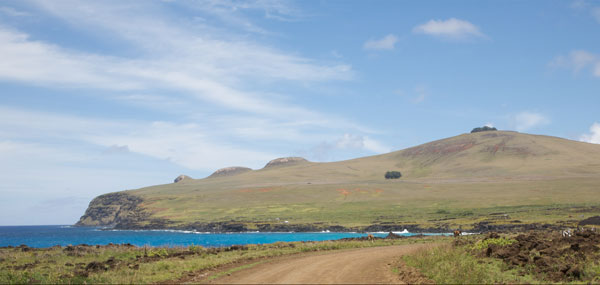
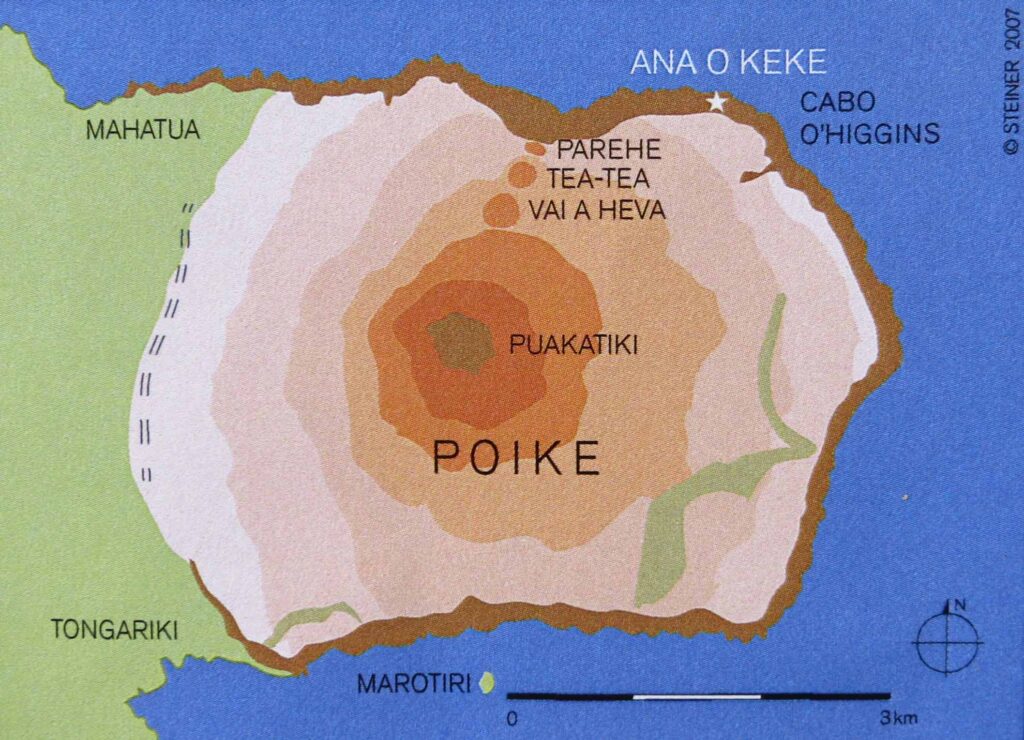
Both caves are located on the northeast cliff of the Poike Peninsula, the oldest part of Easter Island. Poike is currently a rather dry and arid grassland with four small groves and eroded areas in the south and east of the peninsula, quite different from the period of the first settlement. Soil samples and pollen analysis suggest the existence of a lush palm forest (Bork 2006). According to oral traditions, the population at that time was divided into two groups: the Hanau E’epe, or Long Ears, as the dominant group, and the Hanau Momoko, the working and subordinate group. It is mentioned that the Long Ears were the designers of the large stone statues and that they forced their subordinates to carry out the construction work. Poike is currently a rather dry and arid grassland with four small groves and eroded areas in the south and east of the peninsula, quite different from the period of the first settlement. Soil samples and pollen analysis suggest the existence of a lush palm forest (Bork 2006). According to oral traditions, the population at that time was divided into two groups: the Hanau E’epe, or Long Ears, as the dominant group, and the Hanau Momoko, the working and subordinate group. It is said that the Long Ears designed the large stone statues and forced their subordinates to carry out the construction work.
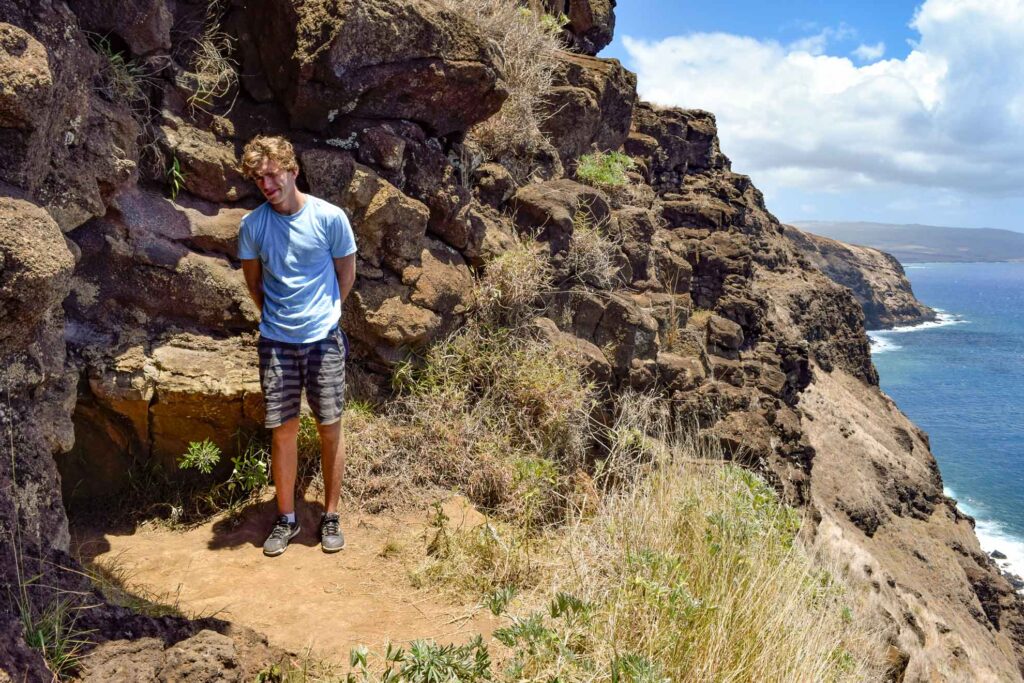
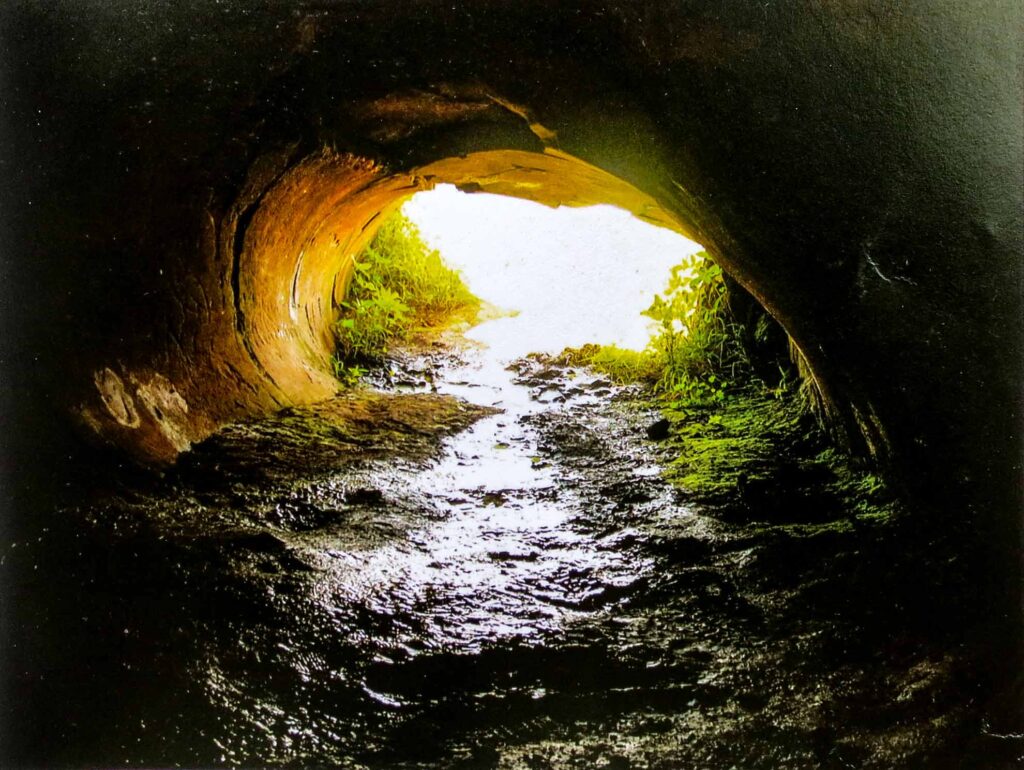
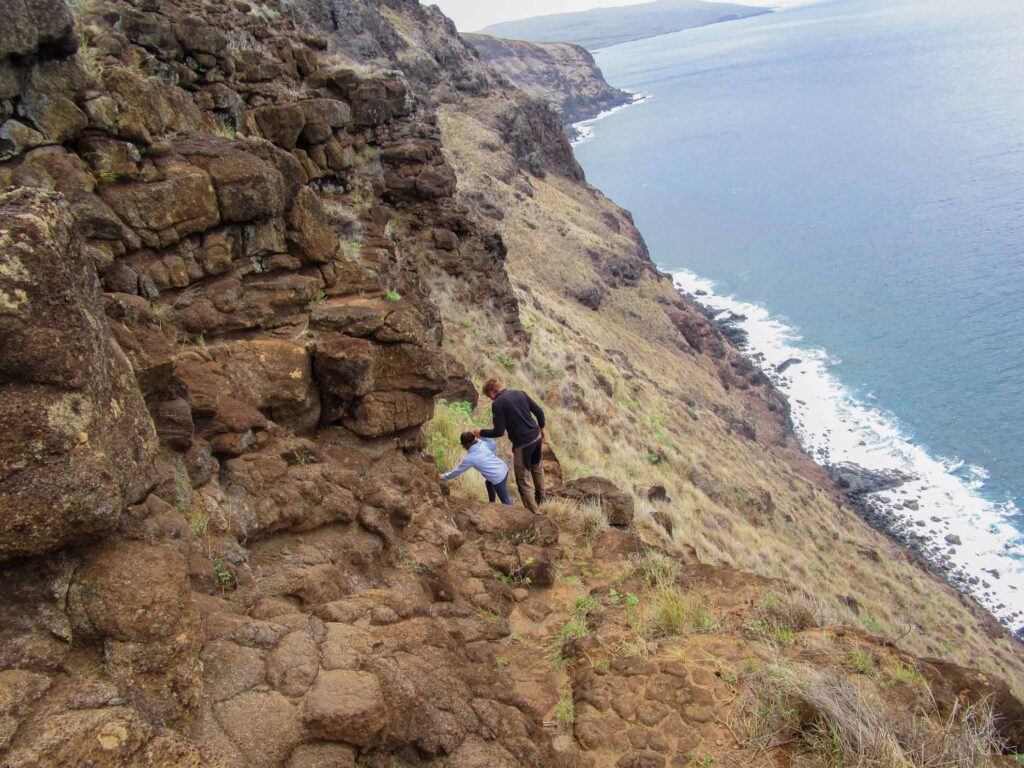
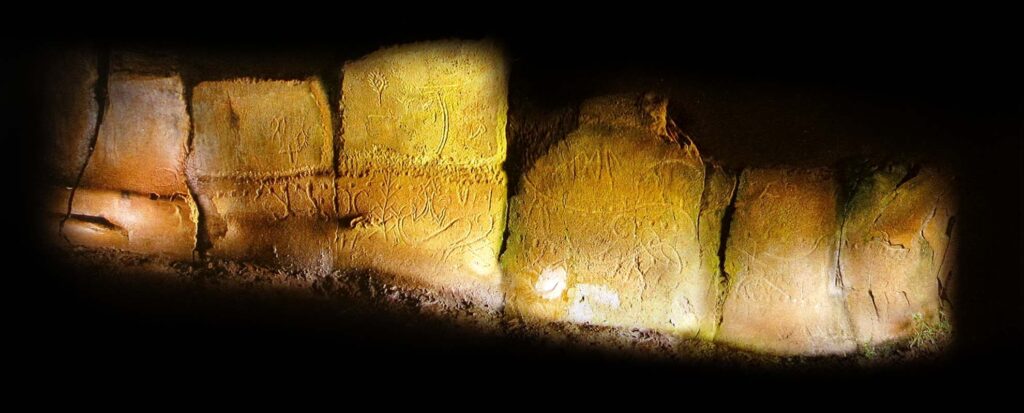
The caves Ana O Keke and Ana More Mata Puku are both located close to each other on the northeast cliff that drops more than 100 meters to the sea. On the upper edge, on the grassy slope, lies Ana O Keke, a 440-meter-long volcanic tube (Gautier & Carlier, 1987). Its flow originally ran from the volcanic cone at the summit of Poike, called Puakatiki (h=370m), to the north coast, descending approximately 30–40 meters. Its entrance is only 20 meters below the edge of the ravine. In several places, it has an almost perfect vaulted appearance, and traces of the huki, a tool used by the islanders to cut stone and create passages, are clearly visible. The width is 1.80 to 2 meters, and the height varies considerably, with sections ranging from 30 centimeters to 1.80 meters. Throughout the entire cavern, a constant seepage of water is evident, and in the interior sections, there are pools of fresh water. The narrow entrance, only 70 cm high, requires crawling to enter, but 2 meters from the entrance, it opens up to 1.30 m high and 2.30 m wide. The natural light that penetrates illuminates a panel 5 meters long and 1.20 m high with unique petroglyphs, not found anywhere else on the island, and which are believed to be related to the ritual activities that took place there. Near Ana O Keke, there is a huge erosional groove called Te Tiamo where Riare, a white paste for face painting, and Kiea red, a pigment used as rouge, were found. This pigment was then mixed with plant juices and stored in small balls inside Ipu, gourds that hung from the cave ceiling.

At the foot of the same cliff, about 10 meters above sea level, in a place called Vai Mahati, lies Ana More Mata Puku, the cave of the young men. It is smaller in size, measuring 7.5m long, 3.5m wide, and at most 1.4m high, and also features some petroglyphs that the Spanish speleologist Lloreti i Prieto (1996) interprets as a simple three-masted boat.
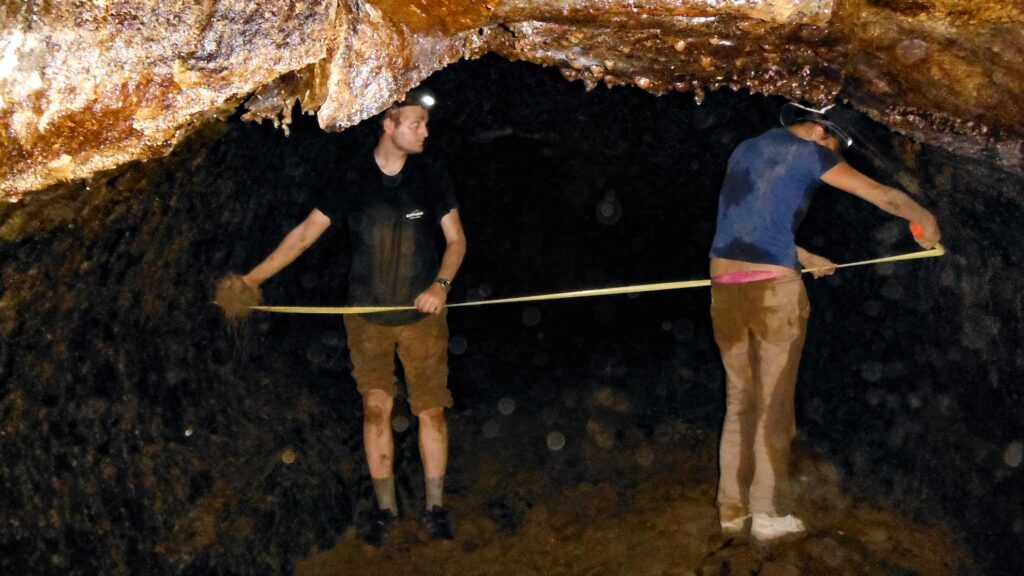
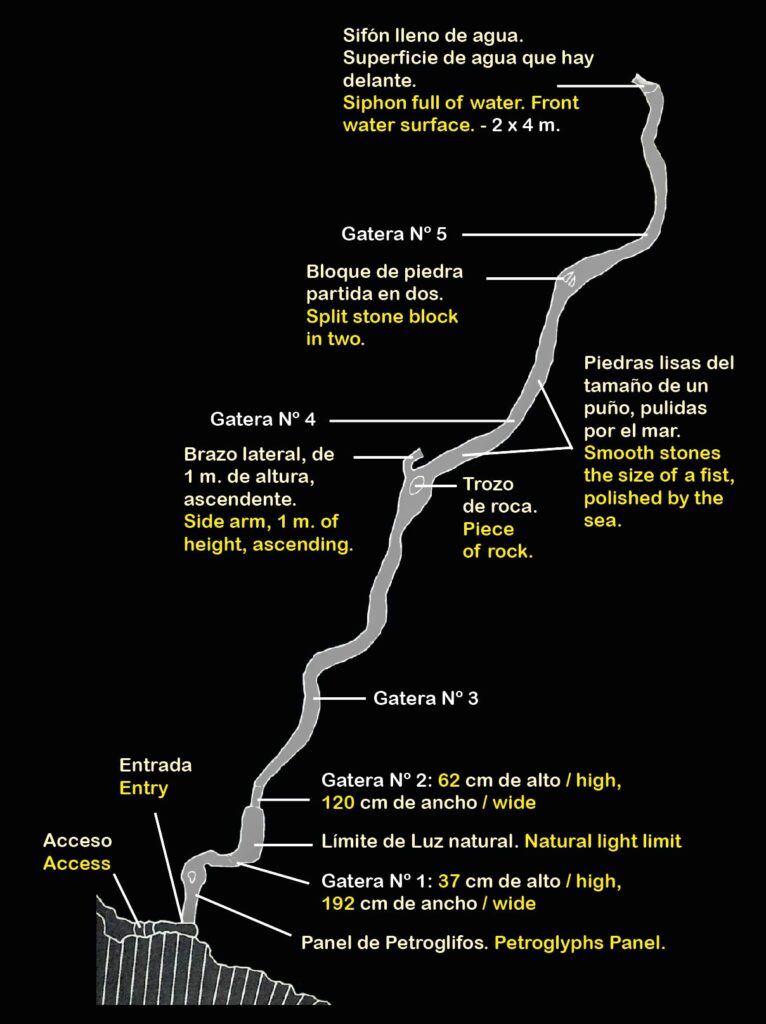
According to island traditions recounted by Juan Tepano to Metraux (1971), “for this cult there were not only the Ana Hue Neru but also the Koro Houses, specially built houses where young people of both sexes were housed, spending their time practicing various games and dances without going outside. Father Englert (1948) relates a more monotonous and sad version: “Selected in their tender childhoods, the most beautiful of both sexes were chosen to be Poki huru hare or Repa huru hare, which would mean ‘children destined to guard the house.’ They were not allowed to go out to play or run in the open air, so that their bodies would not lose their white color. To breathe fresh air, a narrow, shaded area was marked out for them with stones.”
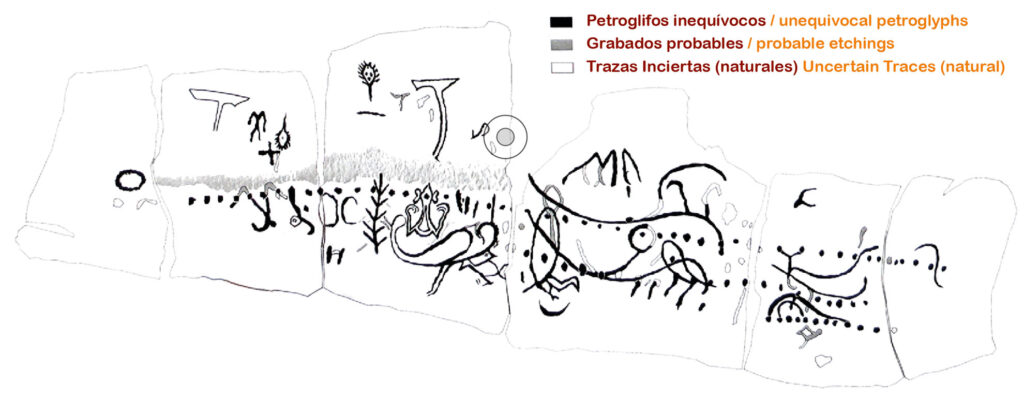
A fair complexion has been seen as a symbol of social status in India, China, Japan, and Southeast Asia. Only those wealthy enough to employ servants could afford to stay indoors, protected from the sun, while the poor sweltered in the rice fields. White skin is perceived as noble and aristocratic. The ruling class in most Polynesian regions inherited this custom, keeping their daughters out of the sun.
Regarding the end of the Neru, Englert writes (1948): “The last known woman who in her childhood had been a Neru, was the paternal grandmother of the Pakarati, Te Oho a Neru, who died very old around the year 1927. She married before 1850, so this institution must have ceased to exist at that time.


