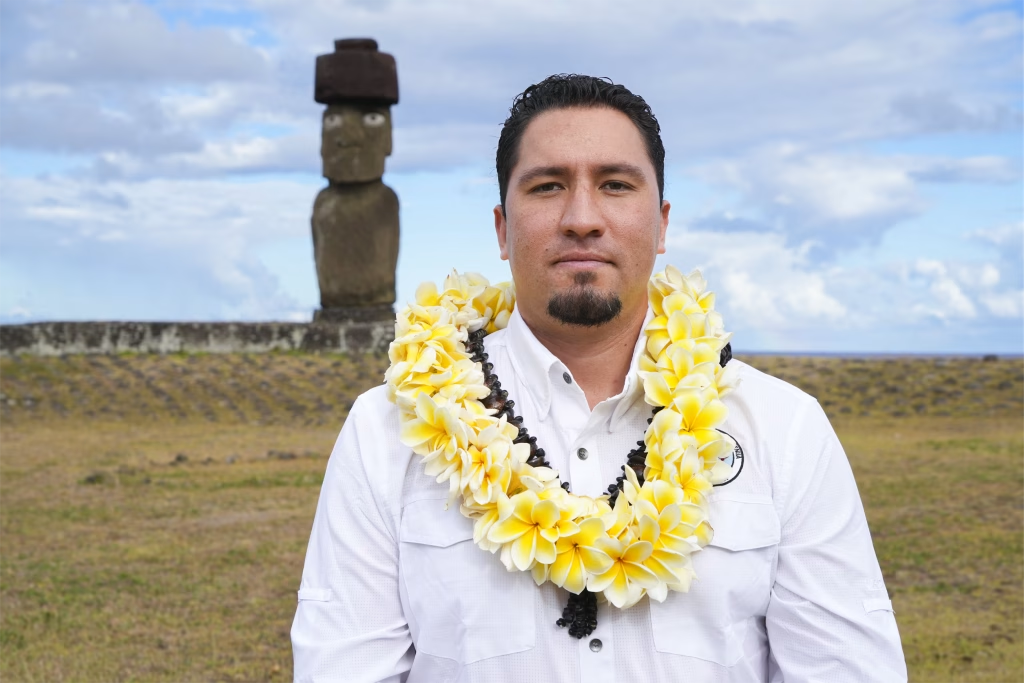
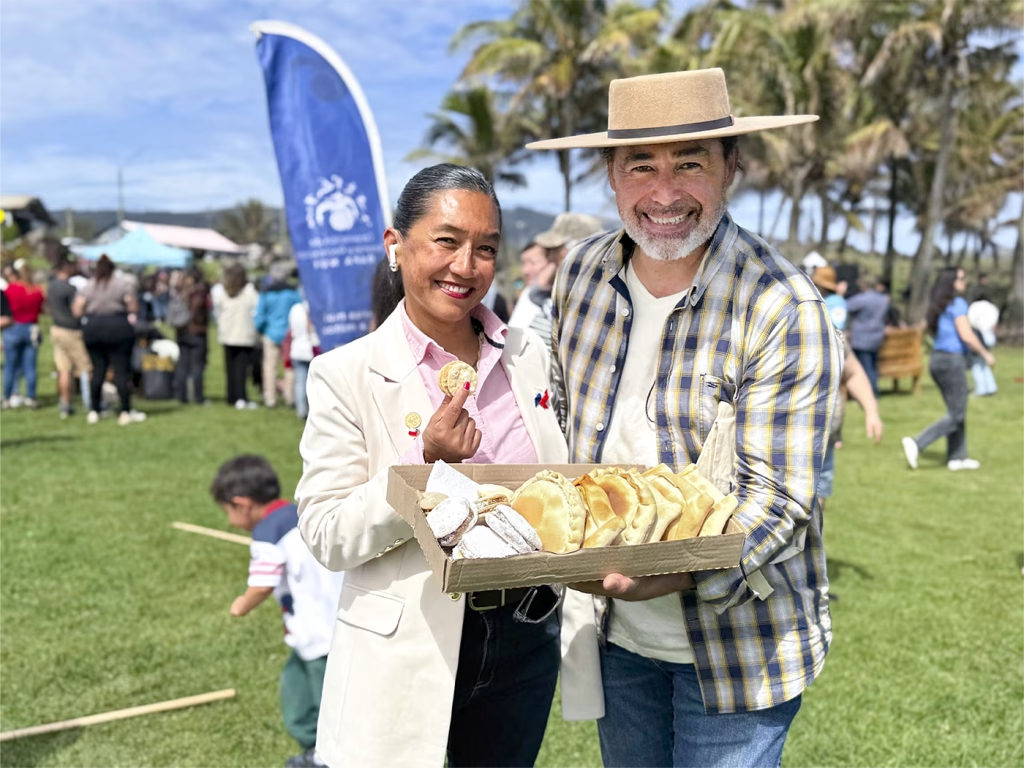
The Ma’u Henua Indigenous Community carried out improvements in 2026 to enhance visitor services and the working conditions of the muto’i (park rangers). These interventions address needs identified with the community during the development of the Park’s Public Use Plan.
At Rano Raraku, the team shelter was improved with spaces for visitor services, administration, and rest, as well as restrooms and water. Access was also reorganized with stone walls, manavai, trails, and rest areas. A booth manages ticket control and separates visitor traffic from the operational zone to protect the archaeological environment.
The muto’i shelters at Ahu Toŋariki, ‘Akahaŋa, and Te Pito Kura received certified electrical wiring. Outside of the visitor sites, Ma’u Henua renovated the Mataveri Multipurpose Hall for meetings, workshops, training sessions, and cultural activities. The fleet’s shed now includes a rainwater harvesting system with eight tanks and a storage capacity of 43,200 liters.
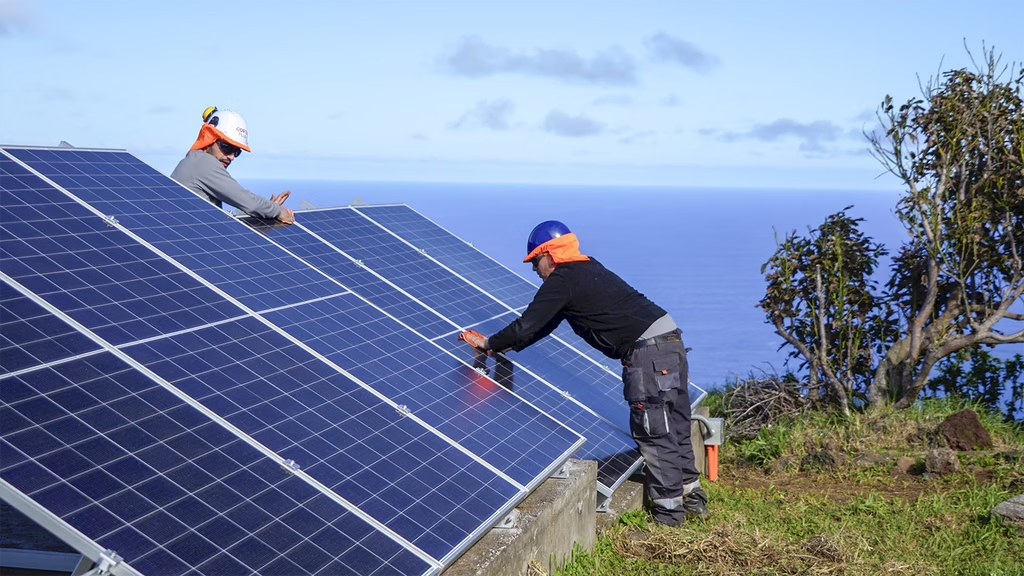
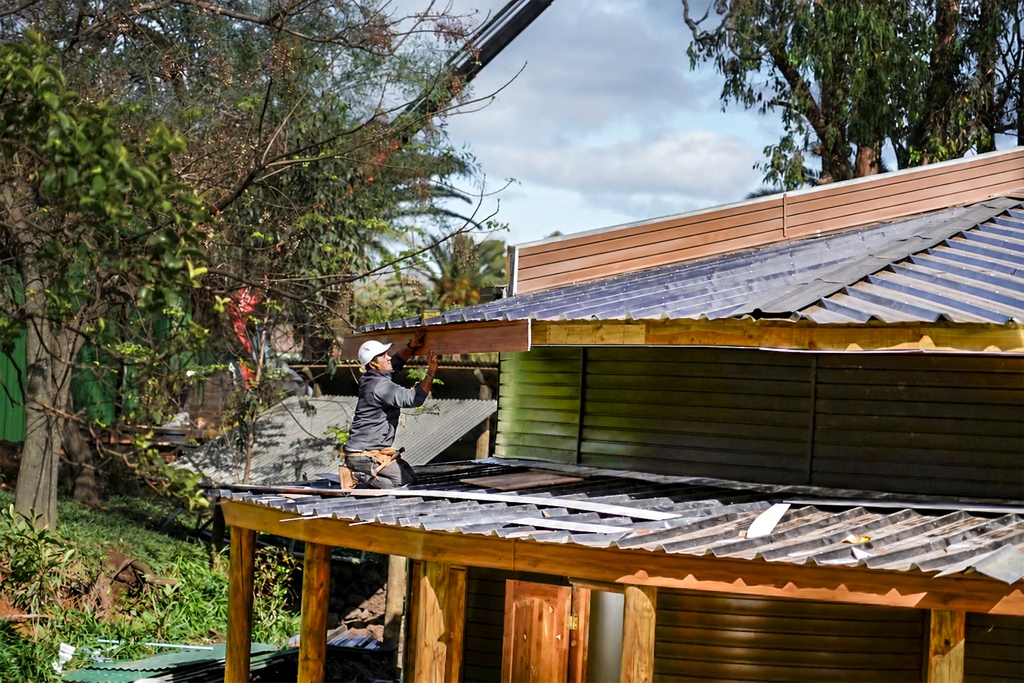
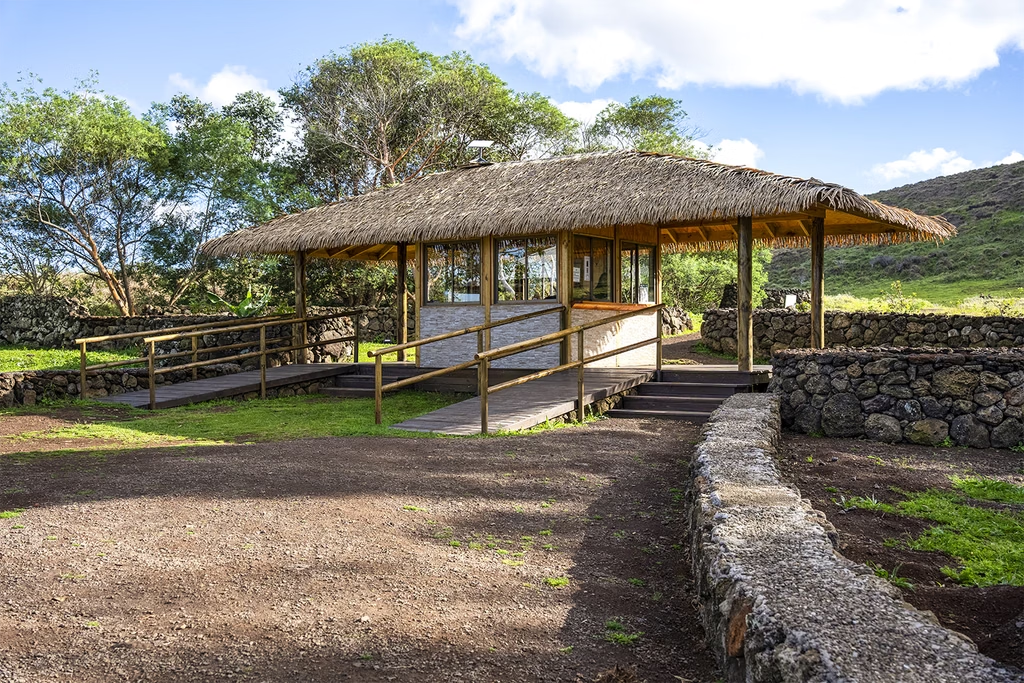
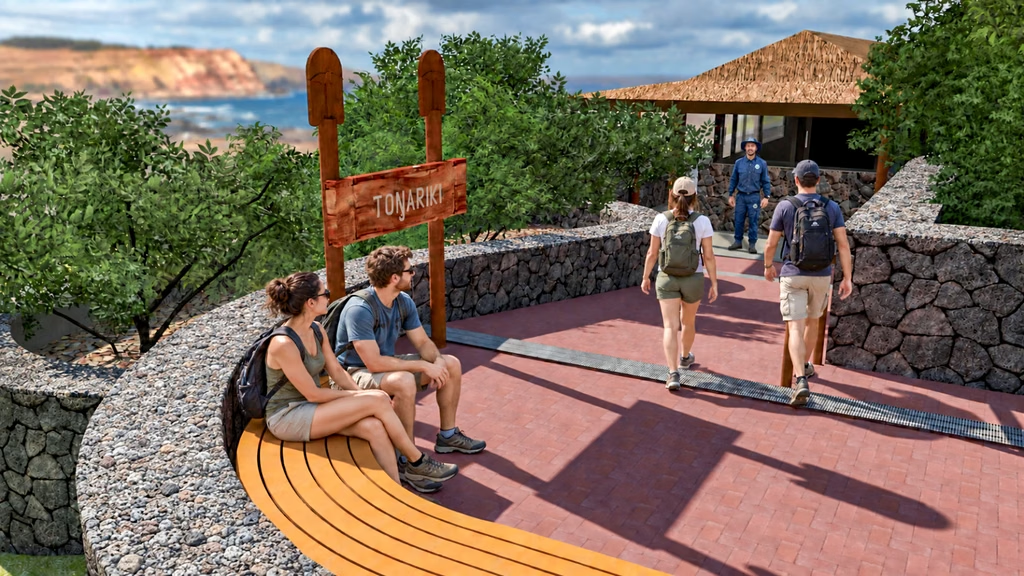
In addition to these improvements, a photovoltaic project is underway to provide access to 12 sites within the Park. At Ahu Toŋariki, a clearer, safer, and more accessible access point is planned, along with new restrooms for visitors.
At Haŋa Rau, Anakena, a new Artisan Center is being designed: a renovated space with information points and an access ramp. All of these projects must respect the landscape and the archaeological elements that underpin the Park’s outstanding universal value.
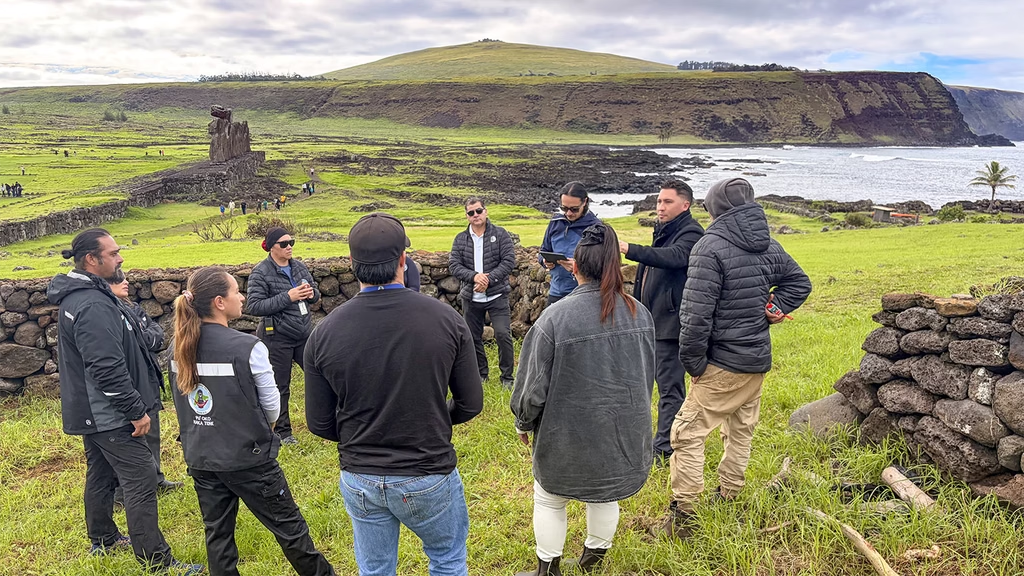
“The most important thing is that we’ve moved from planning to action. What the community requested and what we planned together has become a reality this year, with concrete improvements for those who visit and work in Rapa Nui National Park,” said Yuriko Westermeier, General Manager of Ma’u Henua.